More details
Collapse details
Date Published:
- October 6, 2008
- 4,370.34 KB
Identification of western North Atlantic odontocete echolocation click types using machine learning and spatiotemporal correlates.
PLOS One. 2022.
17(3): e0264988
More details
Collapse details
Date Published:
Publication:Ocean:Region:Species:Methods:
- March 24, 2022
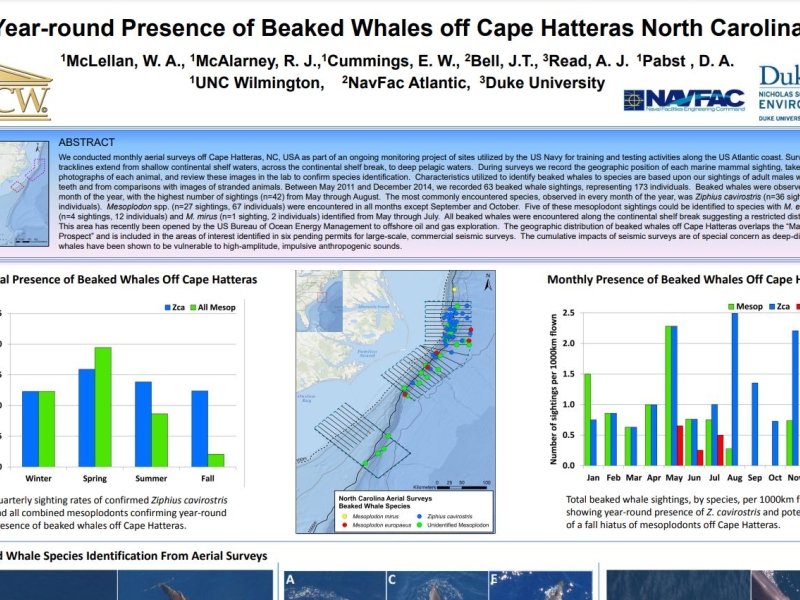
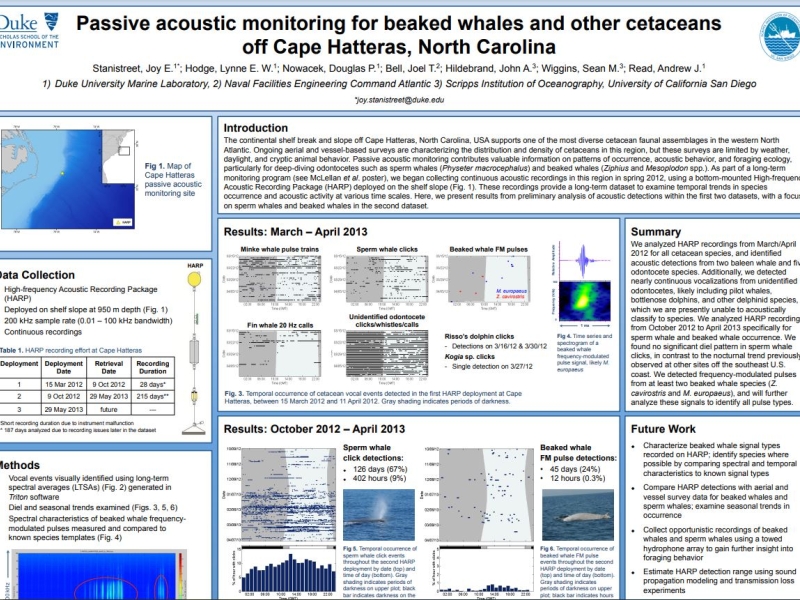
A combination of machine learning and expert analyst review was used to detect odontocete echolocation clicks, identify dominant click types, and classify clicks in 32 years of acoustic data collected at 11 autonomous monitoring sites in the western North Atlantic between 2016 and 2019. Previously-described click types for eight known odontocete species or genera were identified in this data set: Blainville’s beaked whales (Mesoplodon densirostris), Cuvier’s beaked whales (Ziphius cavirostris), Gervais’ beaked whales (Mesoplodon europaeus), Sowerby’s beaked whales (Mesoplodon bidens), and True’s beaked whales (Mesoplodon mirus), Kogia spp., Risso’s dolphin (Grampus griseus), and sperm whales (Physeter macrocephalus)
More details
Collapse details
Date Published:
Filesize:
- November 1, 2019
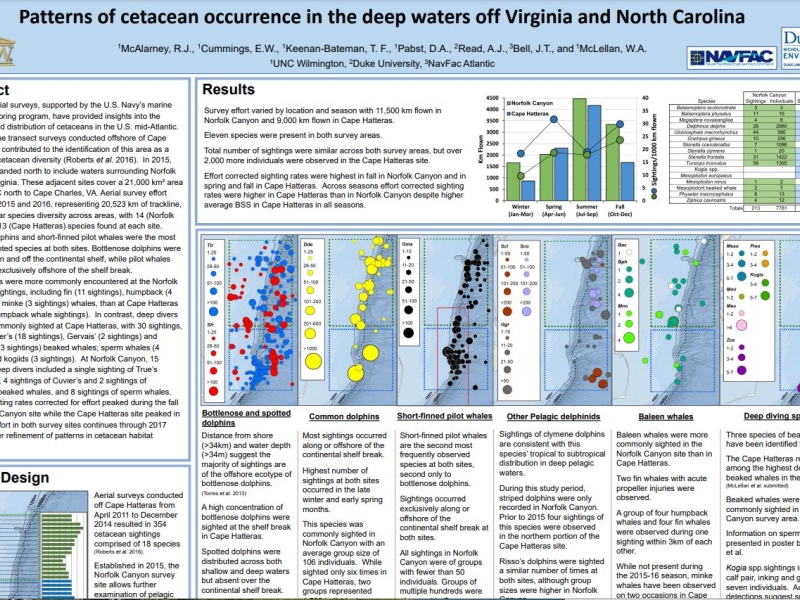
This project is intended to provide baseline information on the species composition, density, distribution, and basic behavior of marine mammals and sea turtles present within the United States (U.S.) Navy’s Virginia Capes (VACAPES) Operating Area (OPAREA). This study is part of a larger, multi-institutional, marine mammal and sea turtle monitoring program of U.S. Navy range complexes along the U.S. Atlantic Coast and Gulf of Mexico supporting Atlantic Fleet Training and Testing (AFTT)
- 4,083.79 KB
Habitat utilization by beaked whales in the western North Atlantic Ocean using passive acoustics.
Marine Ecology Progress. 2025.
754:137-153
More details
Collapse details
Date Published:
- February 13, 2025
More details
Collapse details
Date Published:
Filesize:
- July 1, 2019
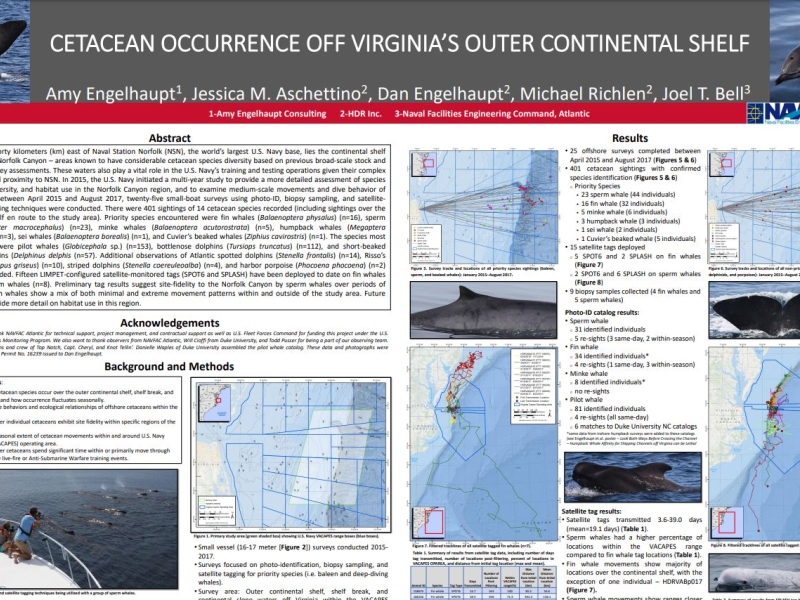
Taking into consideration the multiple intermediate scientific objectives in the U.S. Navy’s Strategic Planning Process (DoN 2013b), the goals of this study are to assist the U.S. Navy and regulatory agencies with environmental planning and compliance by addressing the following questions: Which cetacean species occur over the outer continental shelf to the east of NSN, and how does occurrence fluctuate seasonally? What are the baseline behaviors and ecological relationships of offshore cetaceans within the study area? Do individual cetaceans exhibit site fidelity within specific regions of the study area over periods of weeks, months, or years? What is the seasonal extent of cetacean movements within and around U.S. Navy VACAPES training range boxes? Do cetaceans spend significant time within or primarily
- 6,402.34 KB
More details
Collapse details
Date Published:
Filesize:
- April 1, 2020
Taking into consideration the multiple intermediate scientific objectives in the U.S. Navy’s Strategic Planning Process (DoN 2013b), the goals of this study are to assist the U.S. Navy and regulatory agencies with environmental planning and compliance by addressing the following questions: Which cetacean species occur over the outer continental shelf to the east of NSN, and how does occurrence fluctuate seasonally? What are the baseline behaviors and ecological relationships of offshore cetaceans within the study area? Do individual cetaceans exhibit site fidelity within specific regions of the study area over periods of weeks, months, or years? What is the seasonal extent of cetacean movements within and around U.S. Navy VACAPES training range boxes? Do cetaceans spend significant time within or primarily
- 9,368.29 KB
More details
Collapse details
Date Published:
Filesize:
- January 1, 2018
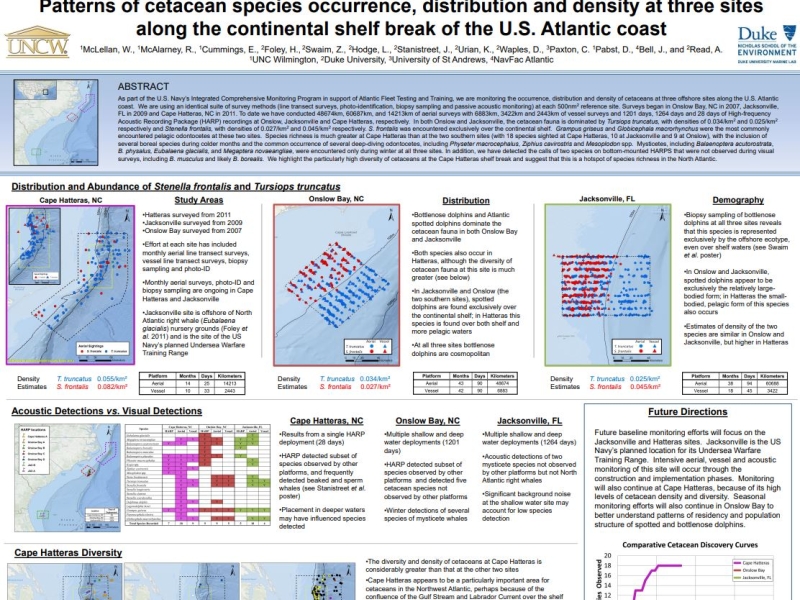
Passive acoustic monitoring was conducted using High-frequency Acoustic Recording Packages (HARPs) deployed in waters offshore of Virginia, North Carolina, and Florida with support from the US Navy during 2016 - 2017. The HARPs recorded underwater sounds between 10 Hz and 100 kHz. Data analysis consisted of analyst scans of long-term spectral averages (LTSAs) and spectrograms, and automated computer algorithm detection when possible. Three frequency bands were analyzed for marine mammal vocalizations and anthropogenic sounds: (1) Lowfrequency, between 10-1000 Hz, (2) Mid-frequency, between 1,000-5,000 Hz, and (3) Highfrequency, between 1-100 kHz.
- 5,208.04 KB
- Blue whale
- Bryde's whale
- Fin whale
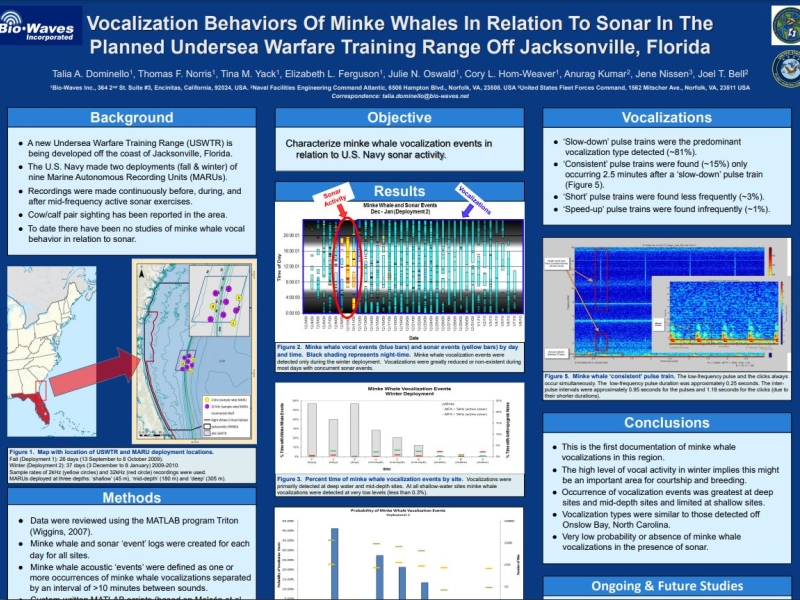
- Minke whale
- North Atlantic right whale
- Sei whale
- Atlantic white-sided dolphin
- Blainville's beaked whale
- Bottlenose dolphin
- Clymene dolphin
- Common dolphin
- Goose-beaked whale
- Dwarf sperm whale
- False killer whale
- Gervais' beaked whale
- Killer whale
- Northern bottlenose whale
- Risso's dolphin
- Rough-toothed dolphin
- Short-finned pilot whale
- Sowerby's beaked whale
- Sperm whale
- Spotted dolphin
- Striped dolphin
More details
Collapse details
Date Published:
Filesize:
- February 1, 2016
The primary objectives of the passive acoustic 26 monitoring program are to: 1) Determine the patterns of occurrence at each monitoring site; 2) Compare patterns of occurrence to better understand distributional patterns; and 3) Document species-specific characteristics of the vocalizations of marine mammal species 30 in each area.
- 9,348.40 KB
More details
Collapse details
Date Published:
Filesize:
- August 17, 2016
A High-frequency Acoustic Recording Package (HARP; Wiggins and Hildebrand 2007) was deployed between May 2013 and March 2014 in the Cape Hatteras, NC, survey area at Site A in 970 m. This HARP sampled continuously at 200 kHz and recorded for 290 days between 29 May 2013 and 15 March 2014. The data were divided into three frequency bands (10 Hz – 1000 Hz, 500 Hz – 5000 Hz, and 1 kHz – 100 kHz) and scanned for marine mammal vocalizations using Long-Term Spectral Averages (LTSAs) and automated detectors. Vocalizations of blue whales, fin whales, minke whales, sei whales, North Atlantic right whales, humpback whales, Kogia spp., Risso’s dolphins, sperm whales, Cuvier’s beaked whales, Gervais’ beaked whales, Blainville’s beaked whales, possible Sowerby’s beaked whales, and unidentified delphinids were detected in the data.
- 2,842.35 KB
More details
Collapse details
Date Published:
Filesize:
- August 16, 2016
A High-frequency Acoustic Recording Package (HARP; Wiggins and Hildebrand 2007) was deployed between June 2014 and April 2015 in Norfolk Canyon, VA, at Site A in 982 m. This HARP sampled continuously at 200 kHz and recorded for 290 days between 19 June 2014 and 5 April 2015. The data were divided into three frequency bands (10 Hz – 1000 Hz, 500 Hz – 5000 Hz, and 1 kHz – 100 kHz) and scanned for marine mammal vocalizations using Long-Term Spectral Averages (LTSAs) and automated detectors. Vocalizations of blue whales, fin whales, minke whales, sei whales, humpback whales, Kogia spp., Risso’s dolphins, sperm whales, Cuvier’s beaked whales, Gervais’ beaked whales, possible Sowerby’s beaked whales, and unidentified delphinids were detected in the data.
- 2,844.76 KB
More details
Collapse details
Date Published:
Filesize:
- May 21, 2026
The U.S. Navy’s Jacksonville Range Complex (JAX) is located in the South Atlantic Bight offshore northeastern Florida and southeastern Georgia. From 2009 to 2020, passive acoustic monitoring was conducted using High-frequency Acoustic Recording Packages (HARPs) deployed across a depth gradient spanning the continental shelf and slope. Three sites were located on the shallow shelf (A–C; approximately 40–90 m), and one site was located on the continental slope (D; approximately 730–800 m). These long-term acoustic data provide a comprehensive assessment of marine mammal occurrence and ambient sound conditions across the region.
- 4,704.70 KB
More details
Collapse details
Date Published:
Filesize:
- May 20, 2026
From 2007 to2013,acomprehensive acoustic monitoring effort was conducted within the boundaries of the Onslow Bay study area to study marine mammal presence and ambient noise levels. The objective was to characterize the vocalizations of marine mammal species in the area, identify their seasonal presence patterns, and assess the potential impacts of naval operations on these species. This report presents the findings from the analysis of data collected using High-frequency Acoustic Recording Packages (HARPs; (Wiggins & Hildebrand 2007)), which were strategically deployed within the Onslow Bay study area across a shelf-to-slope gradient.
- 4,896.89 KB
More details
Collapse details
Date Published:
Filesize:
- May 20, 2026
From 2014 to2021, a comprehensive acoustic monitoring effort was conducted within the boundaries of the Virginia Capes Range Complex to study marine mammal presence and ambient noise levels. The objective was to characterize the vocalizations of marine mammal species in the area, identify their seasonal presence patterns, and assess the potential impacts of naval operations on these species. This report presents the findings from the analysis of data collected using six High-frequency Acoustic Recording Packages (HARPs; Wiggins & Hildebrand 2007), which were strategically deployed within the Virginia Capes Range Complex near Norfolk Canyon (Figure 1 & Table 1).
- 4,651.75 KB
More details
Collapse details
Date Published:
Filesize:
- June 1, 2020
Three High-Frequency Acoustic Recording Packages (HARPs) were deployed from June 2018 to September 2019 to detect marine mammal and anthropogenic sounds offshore in the Navy’s Virginia Capes Range Complex, approximately 44 nm northeast from Cape Hatteras (HAT).
- 10,035.71 KB
More details
Collapse details
Date Published:
Filesize:
- July 2, 2018
A High-Frequency Acoustic Recording Package (HARP) was deployed from April 2016 to June 2017 to detect marine mammal and anthropogenic sounds in the Navy’s Virginia Capes Range Complex offshore from Norfolk Canyon (NFC). The HARP was located 75 nm offshore in approximately 1000 m of water. The HARP recorded sound in the frequency band 10 Hz – 100 kHz. Data analysis consisted of analyst scans of long-term spectral averages (LTSAs) and spectrograms, and automated computer algorithm detection when possible. Three frequency bands were analyzed for marine mammal vocalizations and anthropogenic sounds: (1) Low-frequency, between 10-500 Hz, (2) Mid-frequency, between 10-5,000 Hz, and (3) High-frequency, between 1- 100 kHz.
- 4,807.47 KB
More details
Collapse details
Date Published:
Filesize:
- March 2, 2019
Two High-Frequency Acoustic Recording Packages (HARP) were deployed sequentially from May 2017 to June 2018 to record marine mammal and anthropogenic sounds in the Navy’s Virginia Capes Range Complex offshore ~ 44 nm northeast from Cape Hatteras (HAT).
- 11,290.13 KB
More details
Collapse details
Date Published:
Filesize:
- March 1, 2019
A High-Frequency Acoustic Recording Package (HARP) was deployed from June 2017 to June 2018 to detect marine mammal and anthropogenic sounds in the Navy’s Virginia Capes Range Complex offshore from Norfolk Canyon (NFC).
- 6,924.92 KB
More details
Collapse details
Date Published:
Filesize:
- June 2, 2020
A High-Frequency Acoustic Recording Package (HARP) was deployed from June 2018 to May 2019 to detect marine mammal and anthropogenic sounds in the Navy’s Virginia Capes Range Complex near Norfolk Canyon (NFC).
- 5,621.20 KB
More details
Collapse details
Date Published:
Filesize:
- June 3, 2020
Three High-Frequency Acoustic Recording Packages (HARPs) were deployed from June 2018 to September 2019 to detect marine mammal and anthropogenic sounds offshore in the Navy’s Virginia Capes Range Complex, approximately 44 nm northeast from Cape Hatteras (HAT).
- 10,035.71 KB
Effects of duty-cycled passive acoustic recordings on detecting the presence of beaked whales in the northwest Atlantic.
Journal of the Acoustical Society of America. 2026.
140(1):EL31-EL37
More details
Collapse details
Date Published:
Publication:Ocean:Region:Species:Methods:
- March 2, 2026
This study investigated the effects of using duty-cycled passive acoustic recordings to monitor the daily presence of beaked whale species at three locations in the northwest Atlantic. Continuous acoustic records were subsampled to simulate duty cycles of 50%, 25%, and 10% and cycle period durations from 10 to 60 min. Short, frequent listening periods were most effective for assessing the daily presence of beaked whales. Furthermore, subsampling at low duty cycles led to consistently greater underestimation of Mesoplodon species than either Cuvier's beaked whales or northern bottlenose whales, leading to a potential bias in estimation of relative species occurrence.
Using passive acoustic monitoring to document the distribution of beaked whale species in the western North Atlantic Ocean.
Canadian Journal of Fisheries and Aquatic Sciences. 2017.
74(12): 2098-2109. https://doi.org/10.1139/cjfas-2016-0503
More details
Collapse details
Date Published:
Publication:Ocean:Region:Species:Methods:
- December 1, 2017
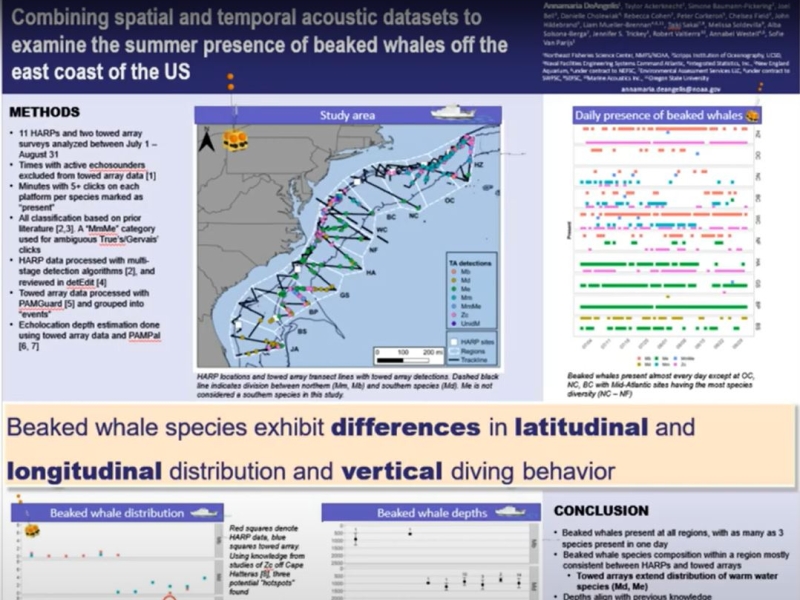
Little is known about the ecology of many beaked whale species, despite concerns raised by mass strandings linked to certain sources of anthropogenic noise. Here, we used passive acoustic monitoring to examine spatial and temporal patterns in beaked whale occurrence at six locations along the continental slope in the western North Atlantic Ocean.
More details
Collapse details
Date Published:
Filesize:
- January 1, 2025
Long-term high-frequency acoustic recording packages (HARPs) at eight sites along the western North Atlantic shelf break.
- 1,276.05 KB
More details
Collapse details
Date Published:
Filesize:
- January 1, 2020
Long-term high-frequency acoustic recording packages (HARPs) at eight sites along the western North Atlantic shelf break.
- 1,430.35 KB
- Blue whale
- Fin whale
- Humpback whale
- North Atlantic right whale
- Sei whale
- Atlantic white-sided dolphin
- Blainville's beaked whale
- Bottlenose dolphin
- Common dolphin
- Goose-beaked whale
- False killer whale
- Gervais' beaked whale
- Killer whale
- Northern bottlenose whale
- Pilot whale
- Rough-toothed dolphin
- Short-finned pilot whale
- Sowerby's beaked whale
- Sperm whale
- Spotted dolphin
- Striped dolphin
- True's beaked whale
More details
Collapse details
Date Published:
Filesize:
- January 1, 2021
Long-term high-frequency acoustic recording packages (HARPs) at eight sites along the western North Atlantic shelf break.
- 2,135.09 KB
More details
Collapse details
Date Published:
Filesize:
- January 27, 2022
Over 25 species of cetaceans utilize the shelf break regions of the US eastern seaboard, including several endangered species. Understanding patterns in species distribution, and the anthropogenic and environmental drivers that may impact their distribution, are critical for appropriate management of marine habitats. To better understand patterns in species distribution and vocal activity, NOAA’s Northeast Fisheries Science Center and Scripps Institution of Oceanography (SIO) collaboratively deployed long-term high-frequency acoustic recording packages (HARPs) at eight sites along the western North Atlantic shelf break. This work was conducted from 2015-2019, in coordination with the Bureau of Ocean Energy Management (BOEM). Likewise, the US Navy has been monitoring the shelf break region at 3 to 4 sites since 2007. Together these combined efforts bring the total to 11 recording sites spanning the U.S. eastern seaboard, from New England to Georgia.
- 3,732.50 KB
More details
Collapse details
Date Published:
Filesize:
- January 1, 2024
To better understand patterns in species distribution and vocal activity, NOAA’s Northeast Fisheries Science Center (NEFSC) and Scripps Institution of Oceanography (SIO) collaboratively deployed long-term high-frequency acoustic recording packages (HARPs) at eight sites along the western North Atlantic shelf break. This work was conducted from 2015-2019, with financial support from the Bureau of Ocean Energy Management (BOEM). Likewise, the U.S. Navy has been monitoring the shelf break region at 3 to 4 sites since 2007. Together these combined efforts bring the total to 11 recording sites spanning the U.S. eastern seaboard, from New England to Florida. The work this year was aimed at finalizing components for these key objectives: I. Submit a manuscript describing the methodology of the beaked whale neural net classifier to be cited in future publications utilizing this approach II. Submit a manuscript comparing and contrasting two passive acoustic monitoring methodologies - towed array and shelf break HARPs - concerning beaked whale temporal, spatial presence and diving behavior. III. Utilize passive acoustic data from ten shelf-break environments to evaluate composition and dissimilarity of marine mammal community groups at different latitudes.
- 879.96 KB
Monitoring the acoustic ecology of the shelf break of Georges Bank, Northwestern Atlantic Ocean: new approaches to visualizing complex acoustic data.
Marine Policy. 2021.
Volume 130. DOI: 10.1016/j.marpol.2021.104570
More details
Collapse details
Date Published:
Publication:Ocean:Region:Species:Methods:
- August 1, 2021
This study aims to assess the co-occurrence of cetaceans and anthropogenic activities, presenting simple and accessible visualizations of the temporal and spectral overlap.
Current
Acoustic Ecology of Northwest Atlantic Shelf Break Cetaceans and Effects of Anthropogenic Noise Impacts
Project Objectives
Assess the acoustic niche of marine mammal species and anthropogenic contributors to disturbance
Complete
Acoustic Monitoring and Evaluation of Tursiops Response to MINEX Training activities
Project Objectives
Assess ocurrence of Tursiops in the vicinity of the W-50 MINEX range. Assess vocal response of Tursiops to underwater explosions
Complete
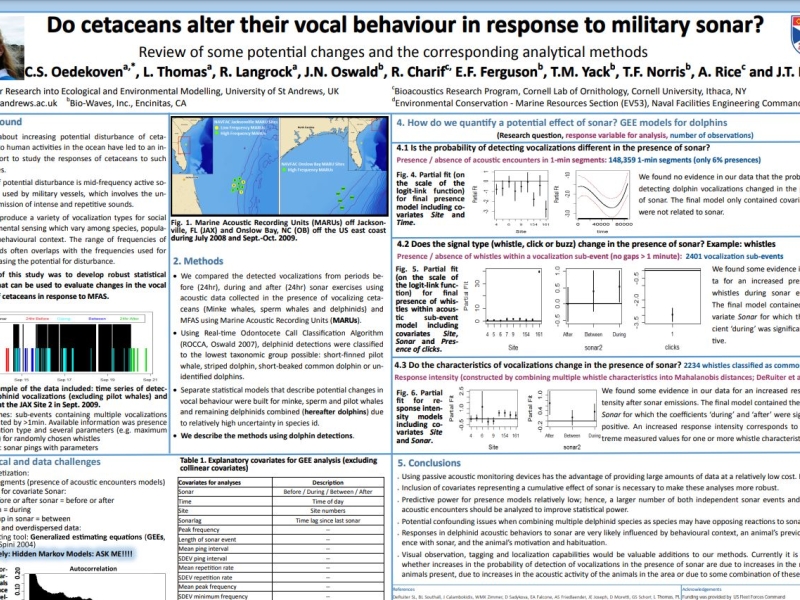
Assessment of Marine Mammal Vocal Response to Sonar
Project Objectives
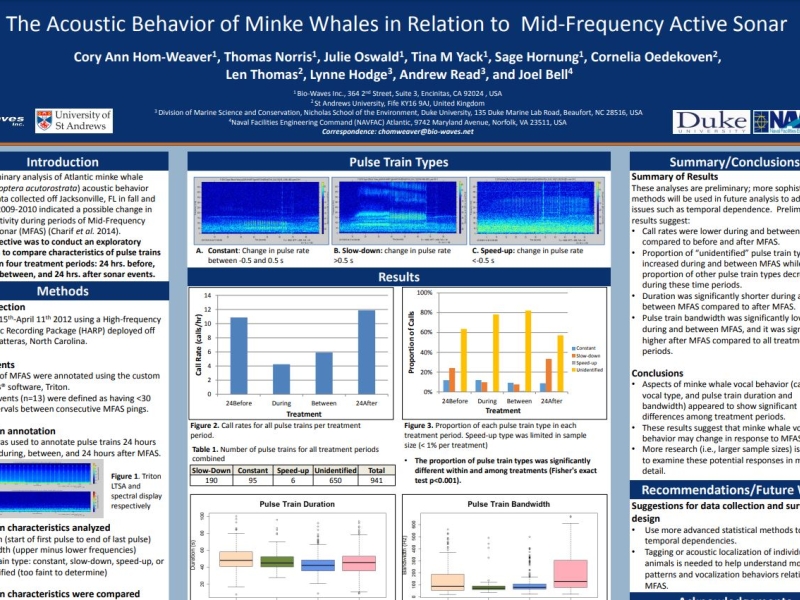
Develop analytic methods to evaluate the vocal response of odontocetes and mysticetes to sonar from navy training activities
Current
Atlantic and Shortnose Sturgeon Monitoring in the Lower Kennebec River
Project Objectives
Assess Atlantic and shortnose sturgeon seasonal occurrence, migration, and overwintering
Current
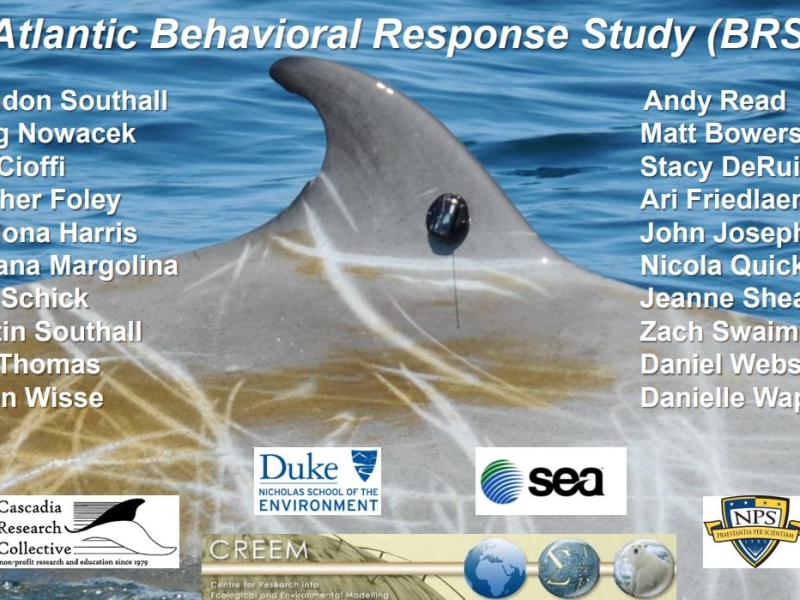
Atlantic Behavioral Response Study
Project Objectives
Assess behavioral response of beaked and pilot whales to mid-frequency tactical sonar
Complete
Atlantic Marine Assessment Program for Protected Species (AMAPPS)
Project Objectives
Assess the abundance, distribution, ecology, and behavior of marine mammals, sea turtles, and seabirds in U.S. Atlantic EEZ
Complete
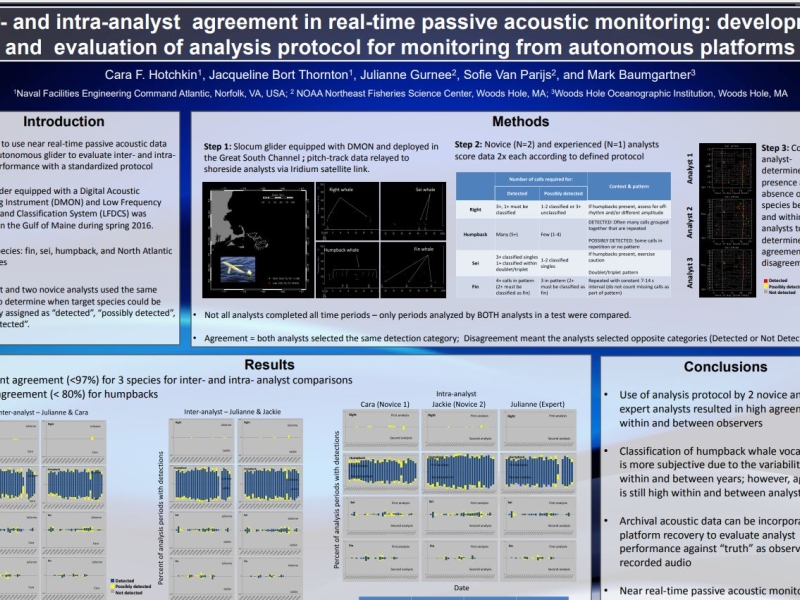
Autonomous Real-Time Passive Acoustic Monitoring of Baleen Whales for Mitigating Interactions with Naval Activities
Project Objectives
Demonstrate near real-time passive acoustic detection and classification hardware/software systems
Complete
Baseline Monitoring for Marine Mammals in the East Coast Range Complexes (aerial surveys)
Project Objectives
Assess occurrence, habitat associations, and density of marine mammals and sea turtles in key areas of Navy range complexes
Complete
Baseline Monitoring for Marine Mammals in the East Coast Range Complexes (passive acoustics)
Project Objectives
Assess occurrence, density, and vocal activity of marine mammals and sea turtles in key areas of Navy range complexes
Complete
Baseline Monitoring for Marine Mammals in the East Coast Range Complexes (vessel surveys)
Project Objectives
Assess occurrence, habitat associations, and stock structure of marine mammals and sea turtles in key areas of Navy range complexes
Current
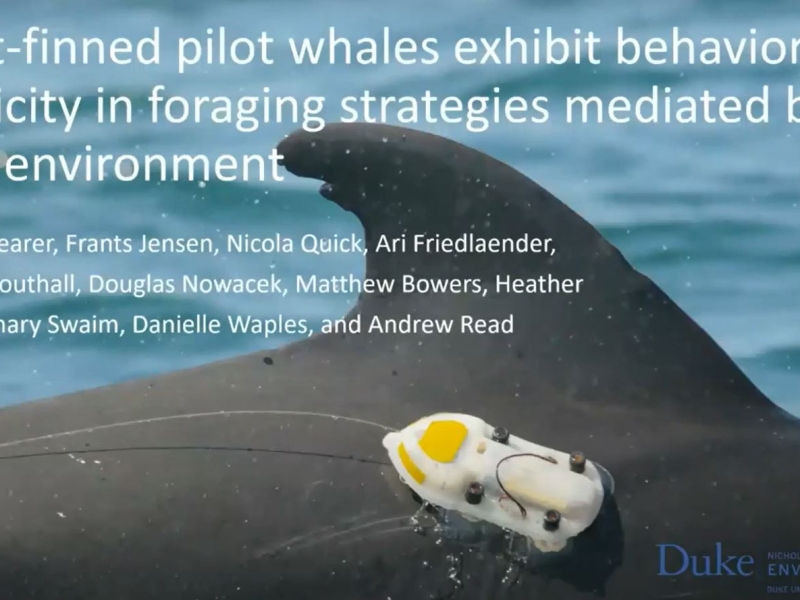
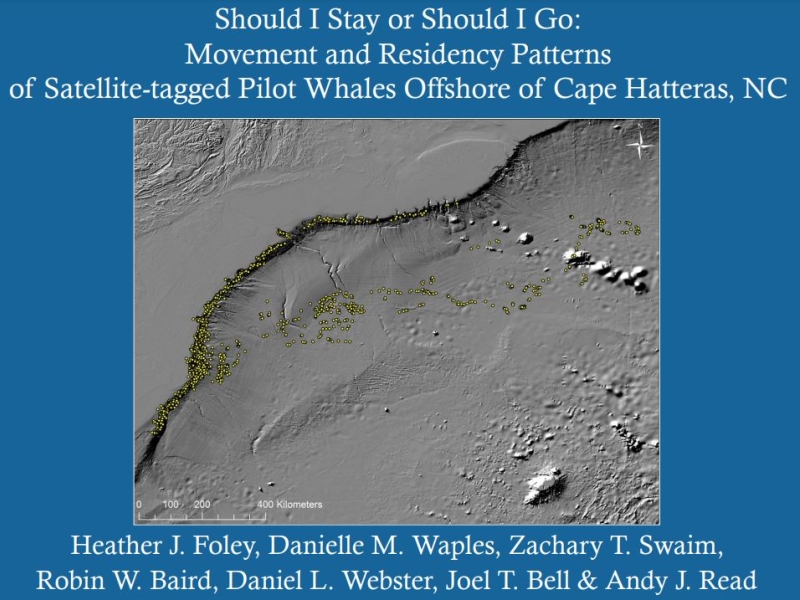
Behavioral Response Analysis of Two Populations of Short-Finned Pilot Whales to Mid-Frequency Active Sonar
Project Objectives
Utilize newly developed statistical methods from the Atlantic BRS project and apply them to all the satellite-tagged pilot whales from both the Atlantic and Pacific studies.
Complete
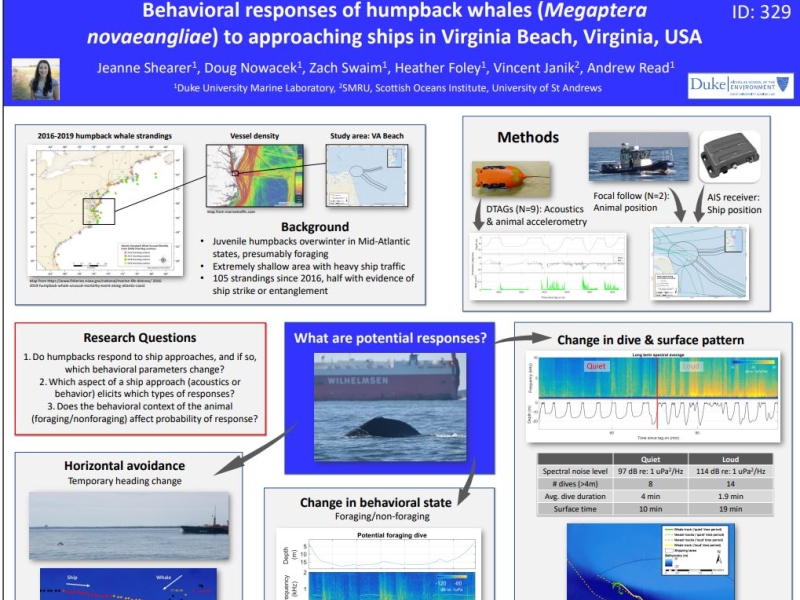
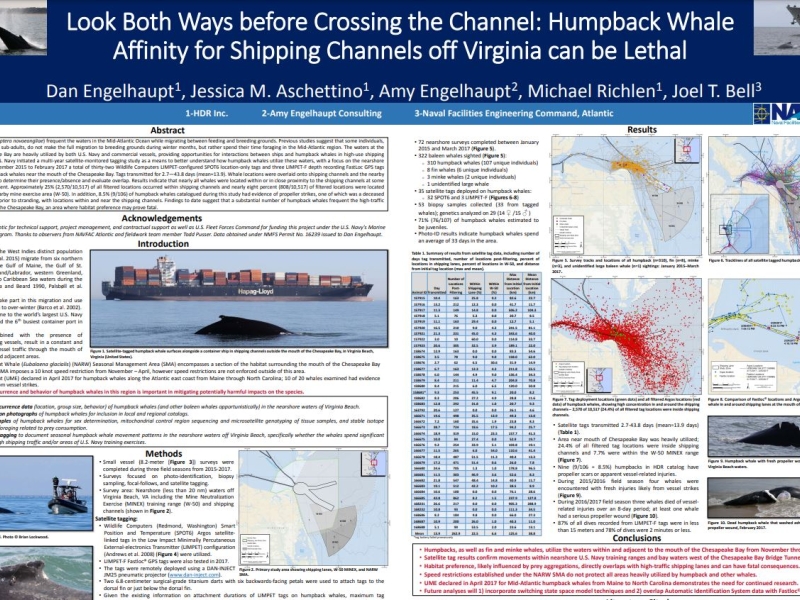
Behavioral Response of Humpback Whales to Vessel Traffic
Project Objectives
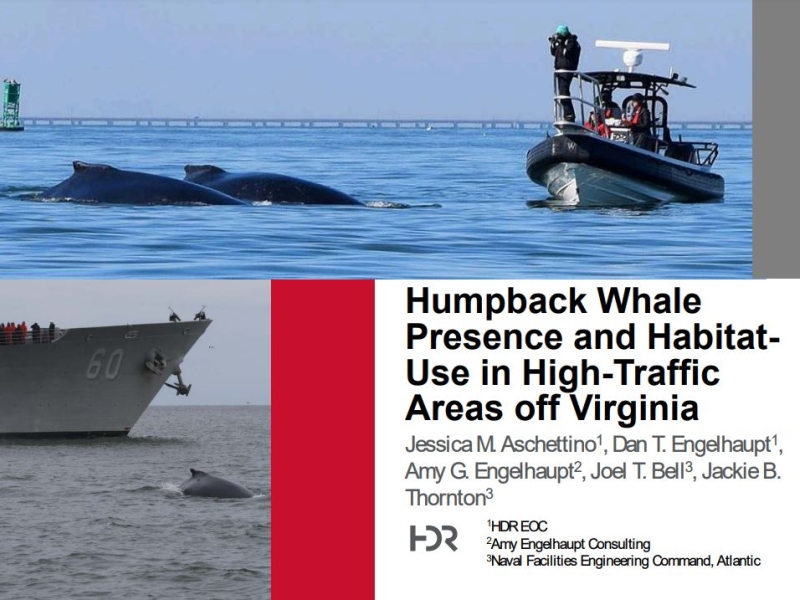
Understand the behavioral response of humpback whales to approaching vessels in the shipping channels at the mouth of the Chesapeake Bay.
Complete
Behavioral Response Research Evaluation Workshop II (BRREW II)
Project Objectives
Response
Complete
Bottlenose Dolphin Occurrence in Estuarine and Coastal Waters near Panama City, Florida
Project Objectives
Determine species occurrence, and distribution, habitat use, and abundance of Tursiops in St. Andrew Bay and coastal waters adjacent to the Naval Surface Warfare Center, Panama City Division.
Current
Distribution of Gulf Sturgeon in the Panama City Testing Range
Project Objectives
Assess Gulf Sturgeon distribution and habitat use through a multi-phase biotelemetry approach
Complete
Effectiveness of Navy Lookout Teams in Detecting Cetaceans
Project Objectives
Obtain data to characterize the potential exposure of marine mammals and ESA-listed marine species to Navy training and testing activities, evaluate the effectiveness of mitigation measures
Current
Green and Kemp's Ridley Turtle Tagging for Availability Bias Estimates
Project Objectives
Assess availability bias and habitat associations of endangered Kemp’s ridley and threatened green sea turtles to improve spatial density models
Complete
Haul-Out Counts and Photo-Identification of Pinnipeds in Narragansett Bay, RI
Project Objectives
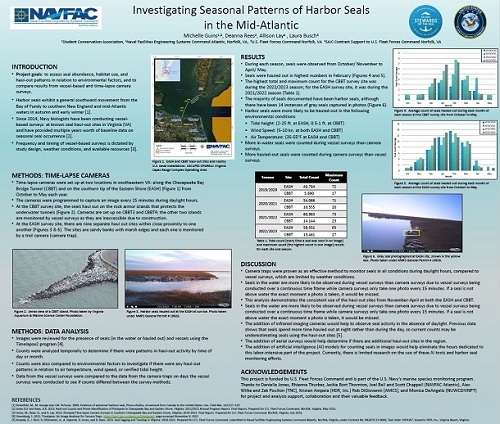
Document seasonal occurrence, habitat use, and haul-out patterns of seals
Current
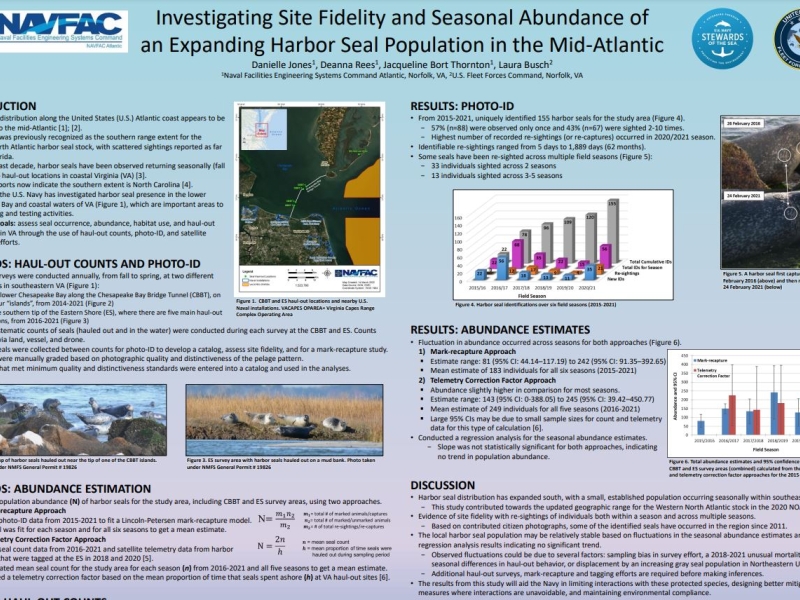
Haul-Out Counts and Photo-Identification of Pinnipeds in Virginia
Project Objectives
Document seasonal occurrence, habitat use, and haul-out patterns of seals
Current
Jacksonville Shallow Water Training Range Vessel Surveys and M3R Species Verifications
Project Objectives
Monitor species composition and distribution on JSWTR, support M3R species verifications
Complete
Lower Chesapeake Bay Sea Turtle Tagging and Tracking
Project Objectives
Assess ocurrence and behavior of loggerhead, green, and Kemp's ridley sea turtles in the Hampton Roads region of Chesapeake Bay and coastal Atlantic Ocean
Complete
Mid-Atlantic Autonomous Passive Acoustic Monitoring
Project Objectives
Monitor large whale occurrence in the mid-Atlantic
Complete
Mid-Atlantic Humpback Whale Catalog
Project Objectives
Establish a centralized collaborative humpback whale photo-id catalog for the mid-Atlantic and southeast regions to support management and environmental planning
Complete
Mid-Atlantic Humpback Whale Monitoring
Project Objectives
Assess occurrence, habitat use, and baseline behavior of humpback whales in the mid-Atlantic region
Current
Mid-Atlantic Nearshore & Mid-shelf Baleen Whale Monitoring
Project Objectives
Assess occurrence, habitat use, and baseline behavior of baleen whales in the mid-Atlantic region
Current
Mid-Atlantic Offshore Cetacean Study
Project Objectives
Assess occurrence, habitat use, and baseline behavior of cetaceans in the offshore and continental shelf break region of the VACAPES OPAREA
Complete
NAS Patuxent River Marine Species Surveys
Project Objectives
Assess occurrence, seasonality, and abundance of Tursiops in the waters near NAS PAX River
Complete
North Atlantic Right Whale Monitoring in the Southeast Calving Area
Project Objectives
Assess behavior of right whales in coastal waters of the Southeast calving grounds, including rates of travel of individuals, dive behavior, and rates of sound production
Current
North Atlantic Right Whale Monitoring, Conservation, and Protection
Project Objectives
Assess occurrence, habitat use, and behavior of North Atlantic right whales in the mid-Atlantic region
Current
Occurrence of Rice's Whale in the Northern Gulf of Mexico
Project Objectives
Assess occurrence and distribution of Rice's whale throughout the northern Gulf of Mexico
Complete
Occurrence, Distribution, and Density of Marine Mammals Near Naval Station Norfolk and Virginia Beach
Project Objectives
Assess occurrence, seasonality, and abundance of Tursiops in the coastal waters of Hampton Roads military installations
Complete
Occurrence, Ecology, and Behavior of Deep-diving Odontocetes
Project Objectives
Establish behavioral baseline and foraging ecology. Assess behavioral response to acoustic stimuli and Navy training activities
Current
Passive Acoustic Monitoring for Mid-Atlantic Baleen Whales
Project Objectives
Monitor large whale occurrence in the Mid-Atlantic
Complete
Passive Acoustic Monitoring for North Atlantic Right Whales off Cape Hatteras, North Carolina
Project Objectives
Investigate the timing of right whale migration through the Mid-Atlantic region, as well as the relative distance from shore and acoustic behavior of migrating whales
Complete
Pinniped Monitoring in the Northeast
Project Objectives
Document habitat use, haul-out patterns, and baseline behavior of seals
Complete
Pinniped Tagging and Tracking in Southeast Virginia
Project Objectives
Document habitat use, movement and haul-out patterns of seals in the Hampton Roads region of Chesapeake Bay and coastal Atlantic Ocean
Complete
Sound source measurements from pile driving
Project Objectives
Determine the source levels produced by impact and vibratory driving of different size and material piles during construction projects
Current
Time-lapse Camera Surveys of Pinnipeds in Southeastern Virginia
Project Objectives
Document seasonal occurrence, habitat use, and haul-out patterns of seals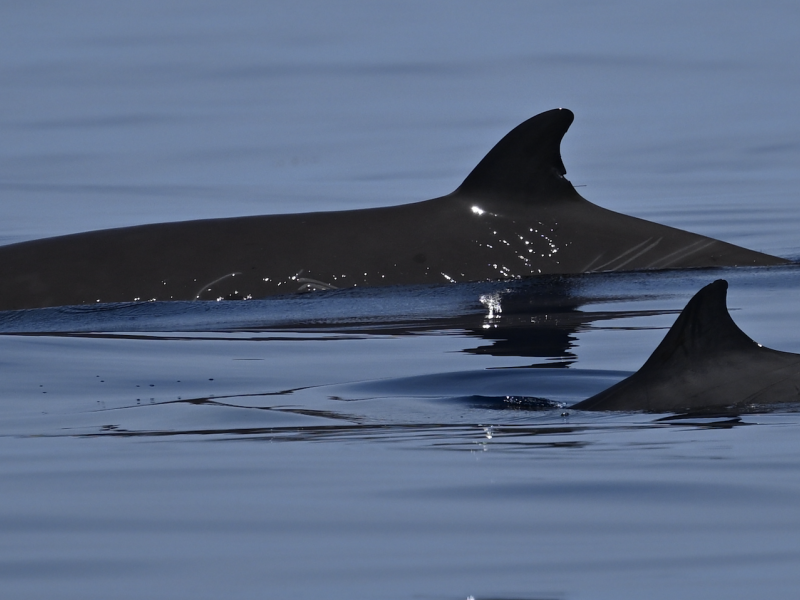
Another CEE Trial – and Gervais’ beaked whales!
August 10, 2026
A second controlled exposure experiment trial with simulated Continuously Active Sonar (CAS) was conducted on August 1. In addition to the usual goose-beaked whales, we also had a sighting of less common Gervais' beaked whales.
First CEE Trial of 2026 – and False Killer Whales
July 23, 2026
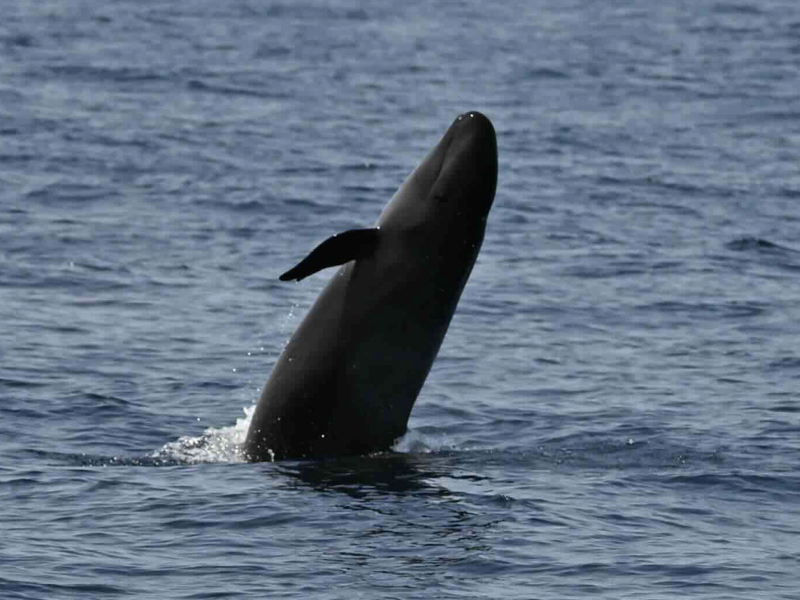
The Atlantic BRS team had an extremely productive day on Friday, July 17th with tags deployed on both false killer whales and goose-beaked whales, as well as a successful controlled exposure experiment with simulated Continuous Active Sonar signals.
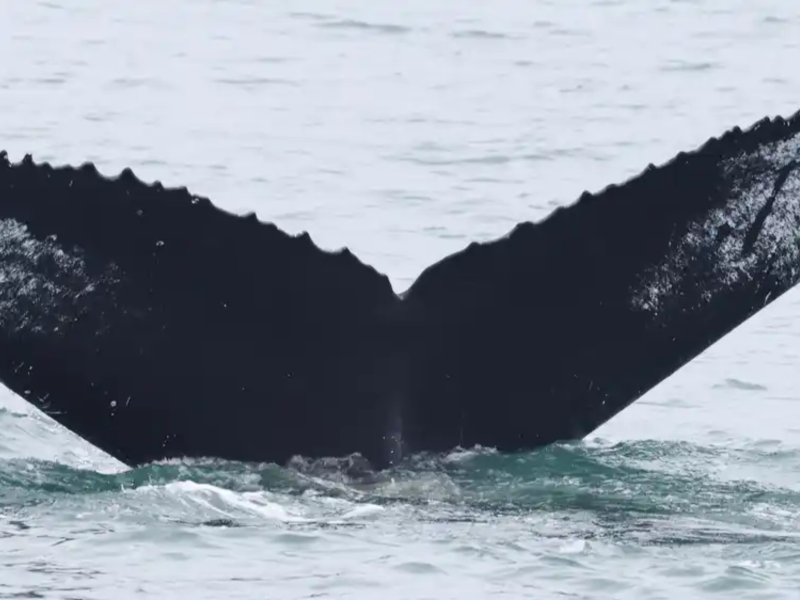
Happy Whale Humpback Happenings
June 22, 2026
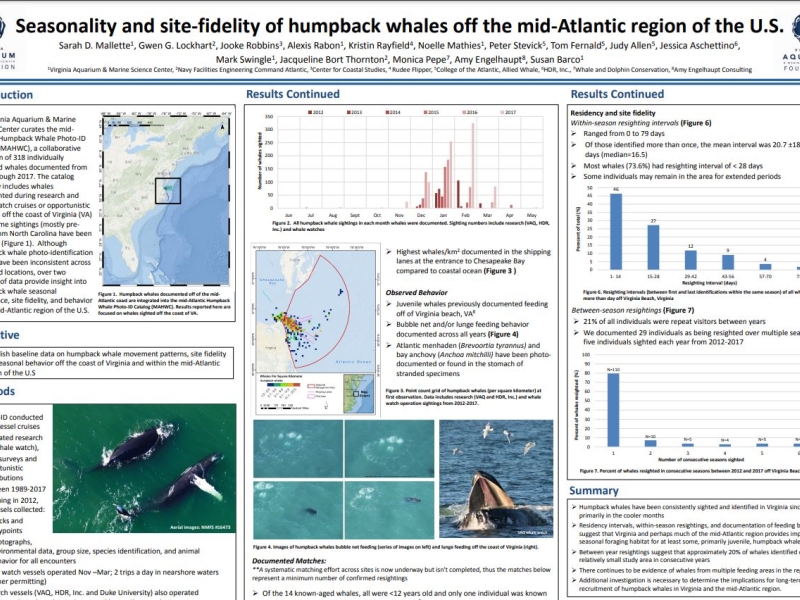
A few interesting matches have come out of our Mid-Atlantic Humpback Whale Catalog efforts and partnership with Happy Whale!
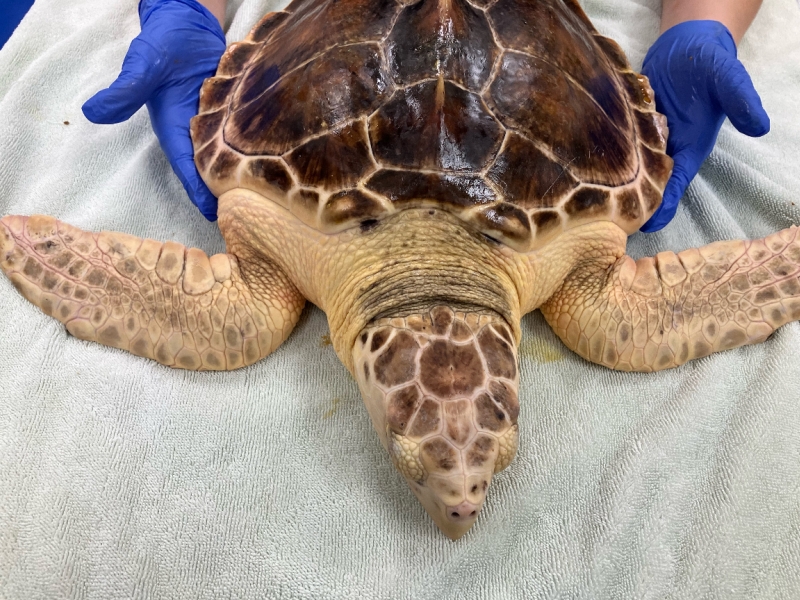
Kemp’s ridley / Loggerhead Hybrid Turtle Tagged at Jekyll Island
June 15, 2026
Researchers were surprised by an unusual turtle that stranded in Georgia-- a Kemp’s ridley / Loggerhead Hybrid Turtle, and were able to tag the animal for release.
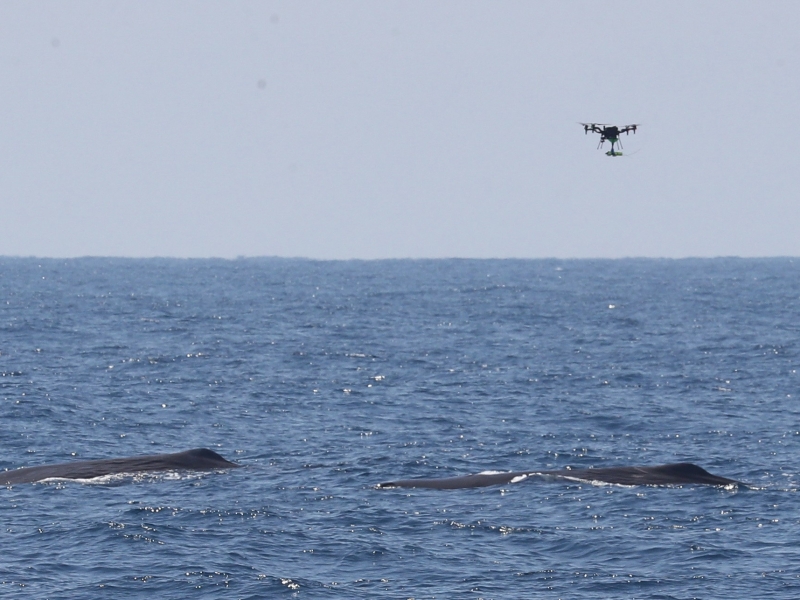
A Macrocephalus Mother's Day Tradition
May 27, 2026
HDR-lead team encountered a group of mainly female sperm whales with calves on Mother's Day for the 2nd year in a row, and successfully deployed a tag from a drone. We believe it's the first CATS tag deployed on a sperm whale via drone.
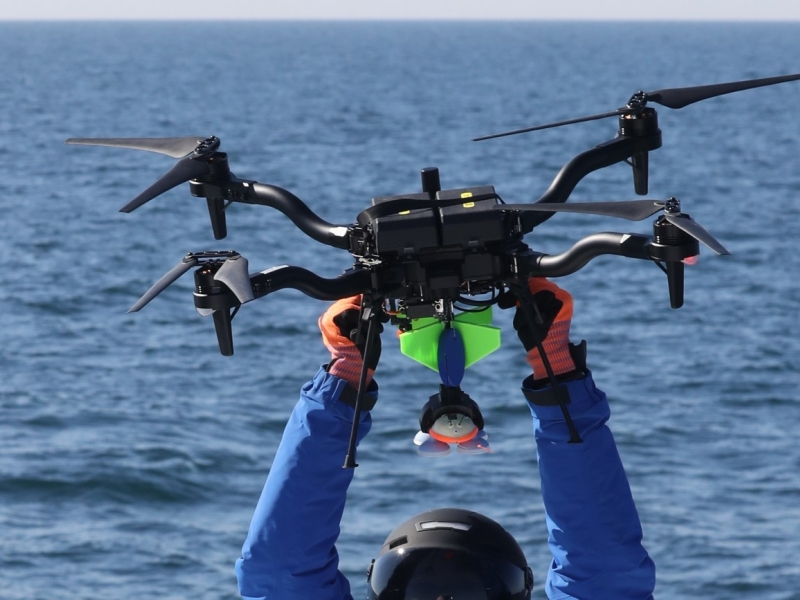
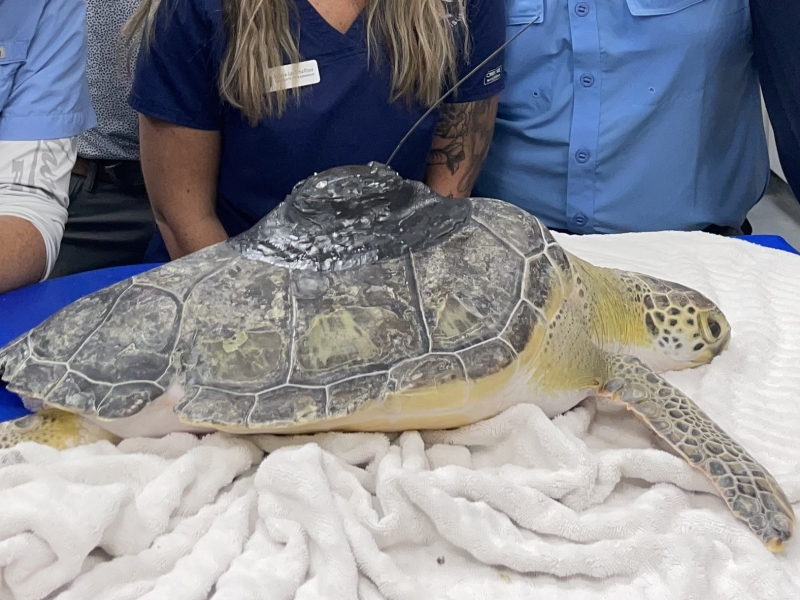
First Tagged Sea Turtle Released from Jekyll Island, Georgia
October 17, 2025
Collaborators at the Jekyll Island Authority in Georgia have released the first satellite-tagged green turtle in Georgia waters under the Navy’s “Green and Kemp's Ridley Turtle Tagging for Availability Bias Estimates” Project.
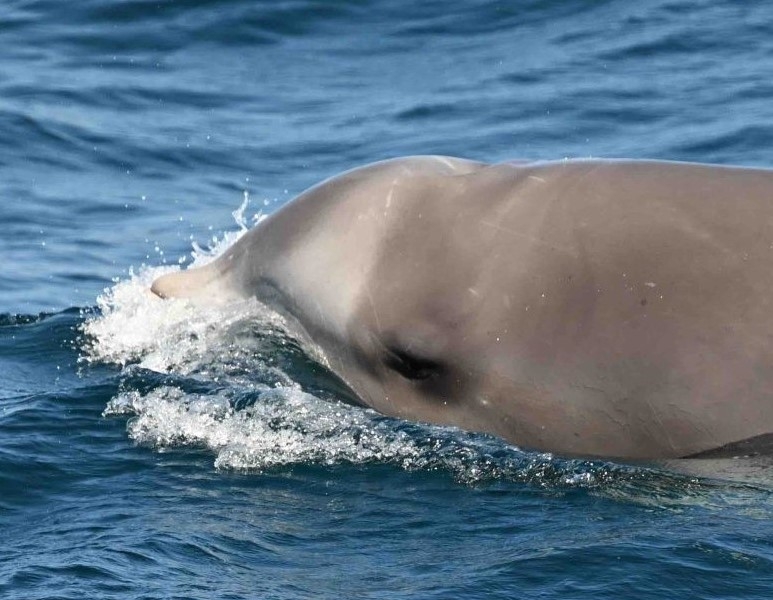
Controlled Exposure Experiment Trial with Simulated CAS Signals
October 1, 2025
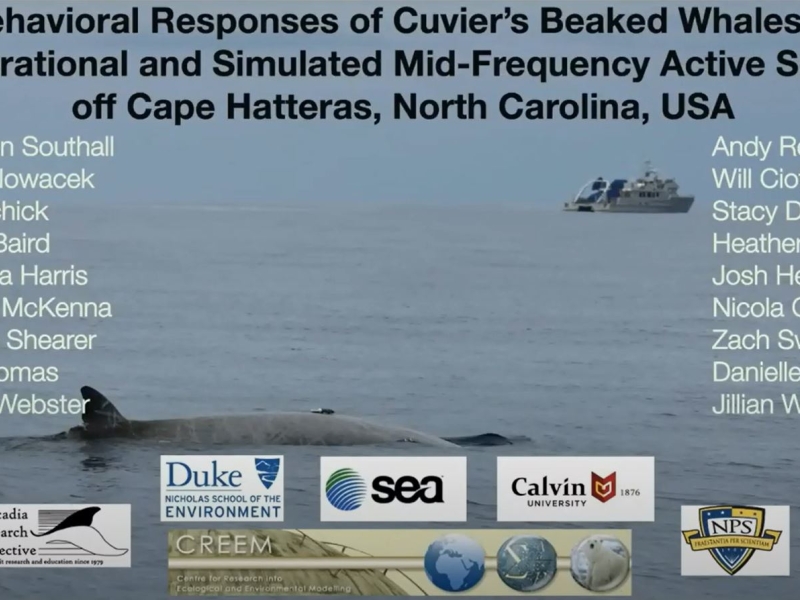
On Friday, September 19th, the project team led by Duke University and Southall Environmental Associates conducted a Controlled Exposure Experiment (CEE) trial with goose-beaked whales Ziphius cavirostris in our study area off Cape Hatteras. They generated simulated Continuous Active Sonar (CAS) signals with a brand-new sound source built specifically for this purpose.
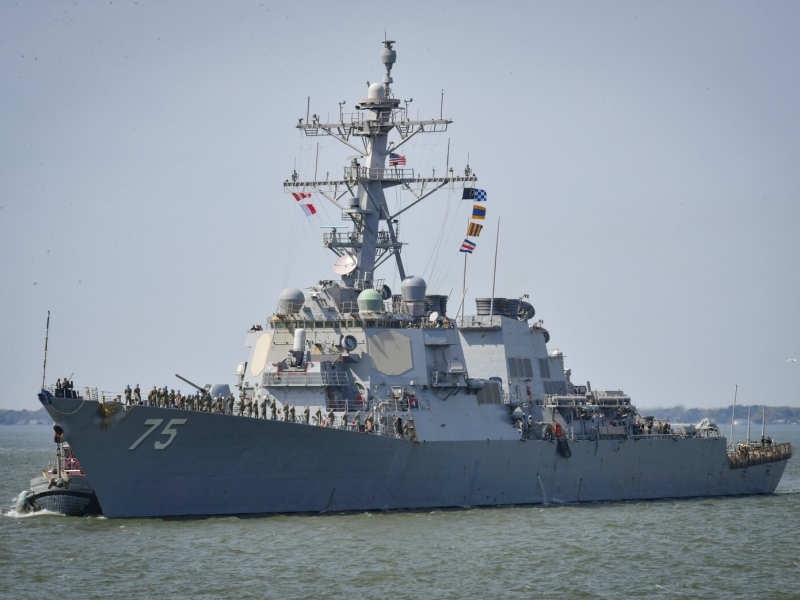
Atlantic BRS - successful CEE trial with the USS Donald Cook
July 22, 2025
The Atlantic BRS team just completed a successful controlled exposure experiment with the Arleigh Burke-class guided-missile destroyer USS Donald Cook (DDG 75) involving eight satellite-tagged beaked whales off Cape Hatteras.
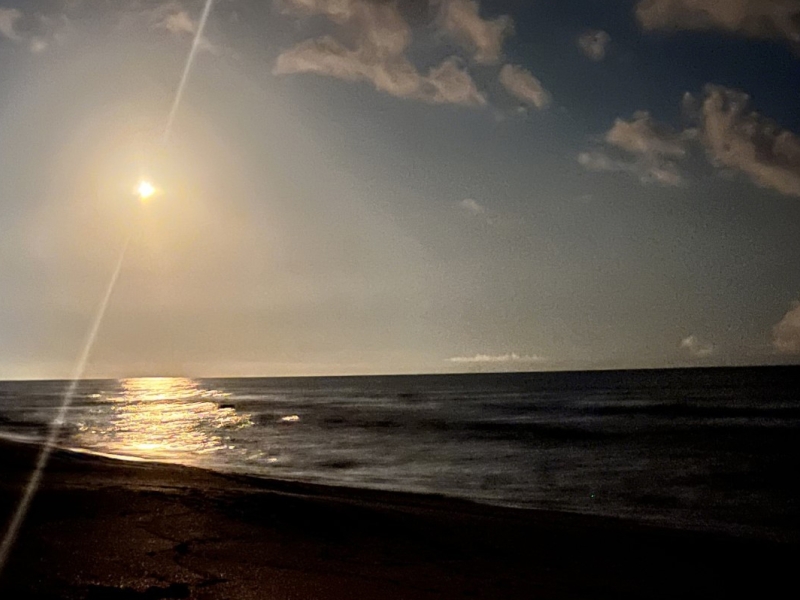
Green turtles are back on the Space Coast
July 21, 2025
A field team led by co-Principle Investigator Dr. Kate Mansfield of the Marine Turtle Research Group at the University of Central Florida kicked off the second year of tagging for our “Kemp’s Ridley and Green Sea Turtle Tagging for Availability Bias Analysis” project.
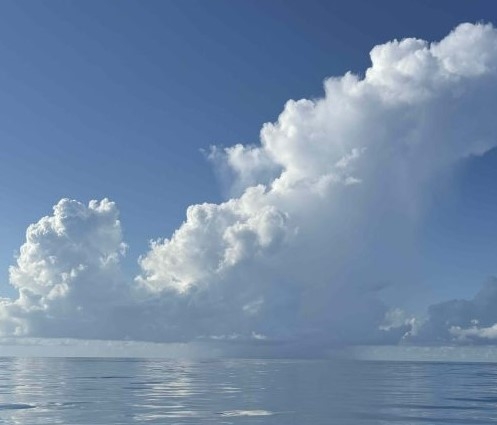
Atlantic BRS - field work update
July 16, 2025
You never know what you will see offshore, and this weekend was no exception.
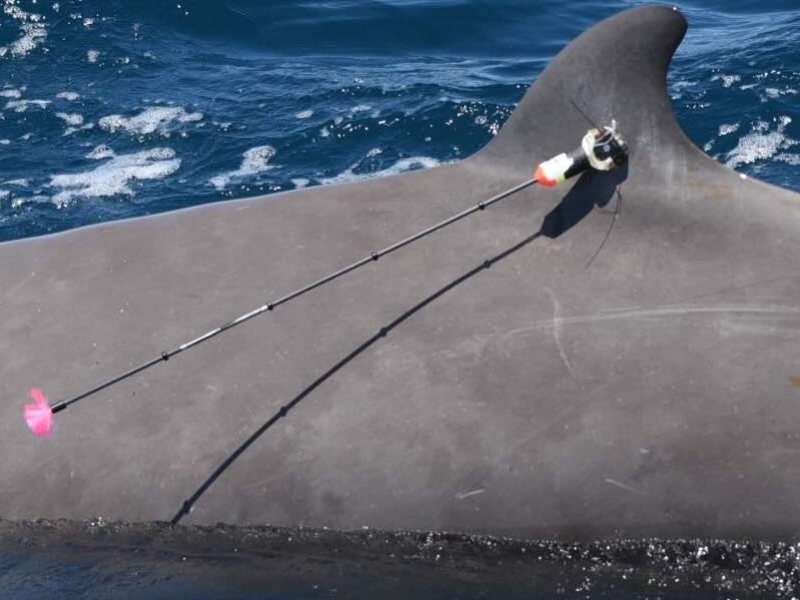
Atlantic BRS 2025 - Old Friends & Baby Beaked Whales
June 26, 2025
Field work recently kicked off for the Atlantic BRS project field season and we're happy to say that things appear much more "normal" compared to 2024 when Ziphius were relatively scarce at the Hatteras study site.
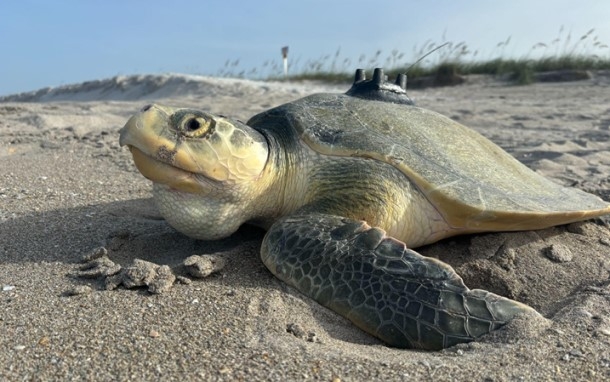
Kemp's on the move!
May 19, 2025
Five Kemp’s ridley turtles satellite tagged on the east coast of Florida have moved out of Florida waters.
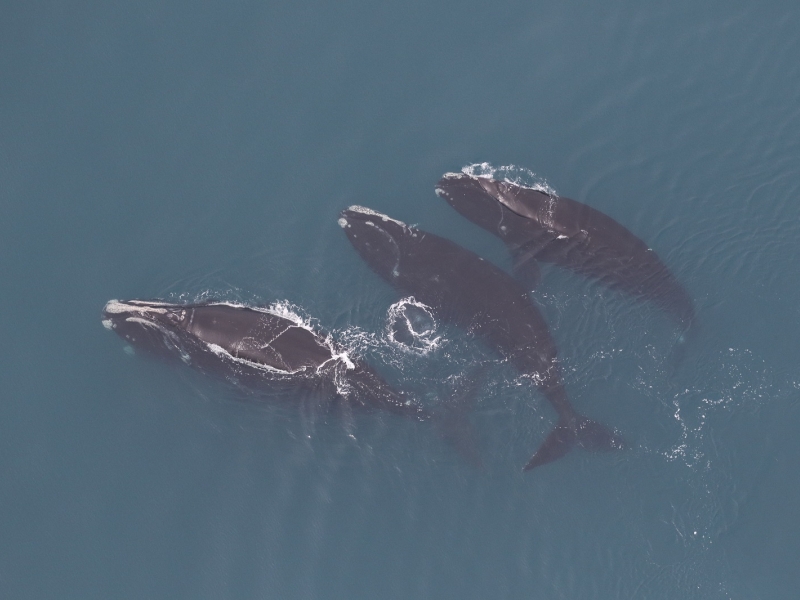
2024-2025 Large Whale Season Summary
March 24, 2025
We have two separate efforts focusing on cetaceans off the coast of Virginia. The first is our Offshore (Outer Continental Shelf) Cetacean Study, which focuses primarily on deep diving odontocetes like sperm whales. The second effort is our Nearshore and Mid-Shelf Baleen Whale Monitoring Project.
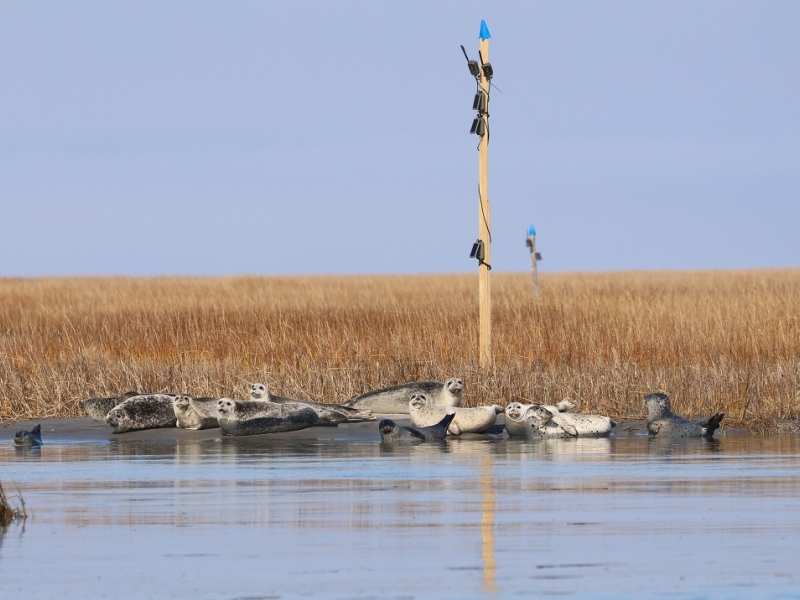
Winter is here in Virginia, and so are the seals!
January 21, 2025
NAVFAC LANT researchers are back at it for the 11th field season of monitoring gray and harbor seals at two major haul-out locations in southeastern Virginia.
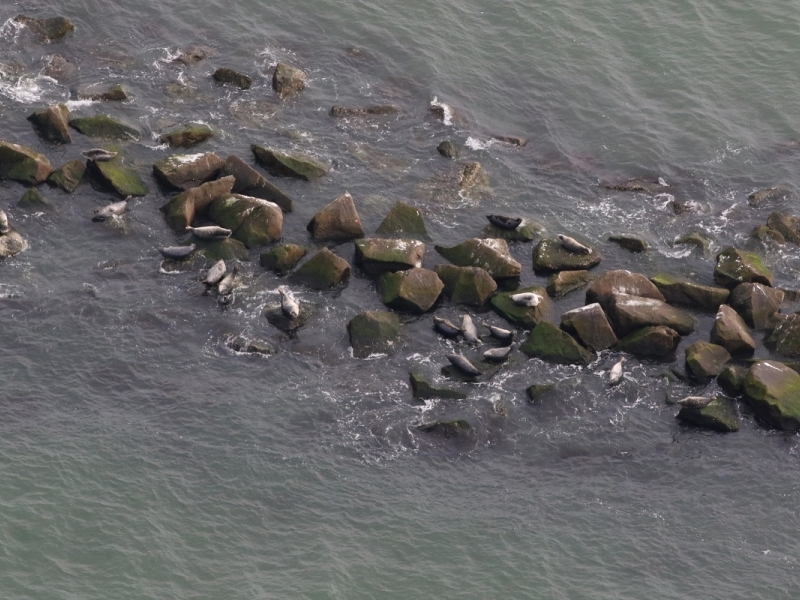
Aerial Surveys to Confirm Seal Haul-out Sites in Virginia
January 14, 2025
Each fall/winter, some portion of the Northwest Atlantic harbor seal population that summers in New England make their way south to Virginia.
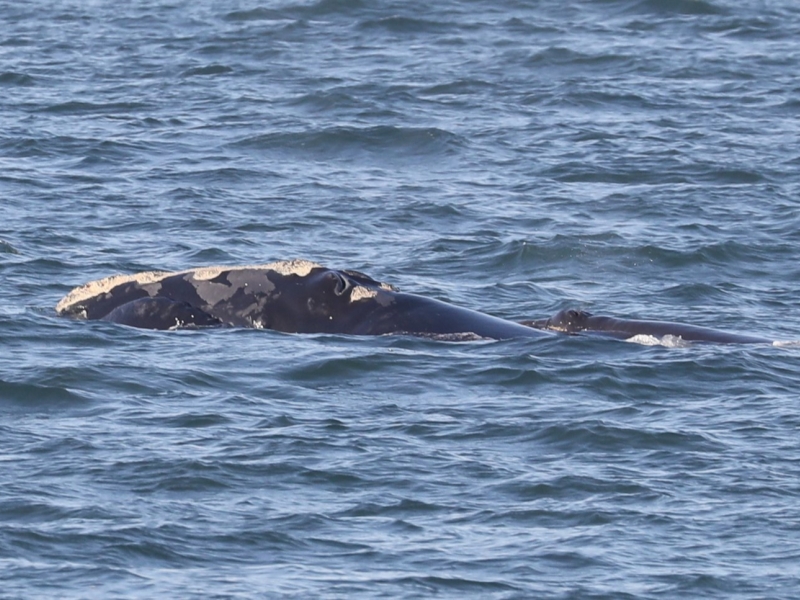
Right whale calf sighted off Virginia!
December 20, 2024
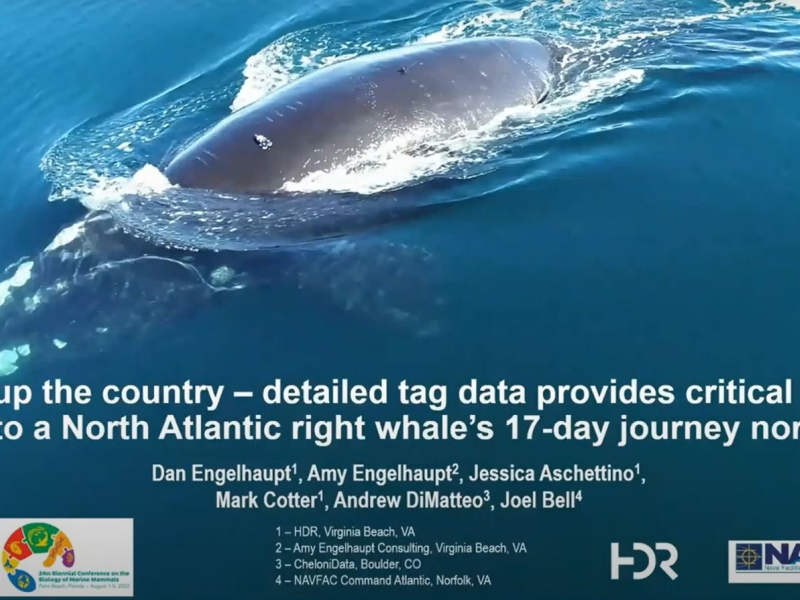
On December 18, 2024, during a survey off Virginia Beach, researchers from HDR Inc. and NAVFAC LANT observed North Atlantic right whale #4540 with her first known calf. This sighting is notable as it's the earliest recorded instance of a newborn right whale calf in Virginia waters, suggesting a possible shift in calving locations northward from the typical areas off Florida and Georgia.
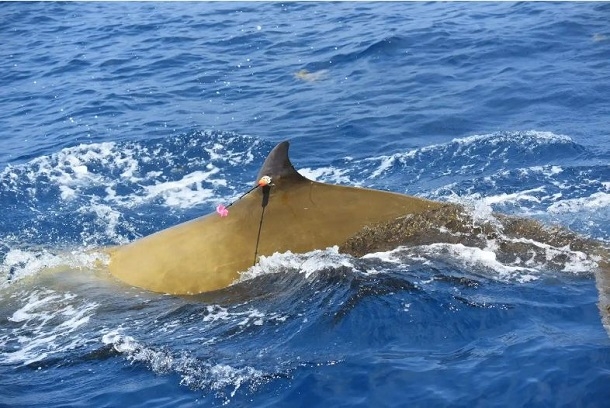
Successful CEE Trial with the USS Thomas Hudner
July 24, 2024
In July 2024, the Atlantic Behavioral Response Study, led by Duke University, conducted a successful controlled exposure experiment (CEE) involving the USS Thomas Hudner and tagged goose-beaked whales off Cape Hatteras. The study assessed the whales' behavioral responses to Continuous Active Sonar (CAS) signals, utilizing a High Frequency Recording Package (HARP) for sound recordings and coordination with the USS Thomas Hudner for sonar signal transmission. Preliminary observations suggested minimal behavioral changes in the focal whale, Zc150, during the experiment.
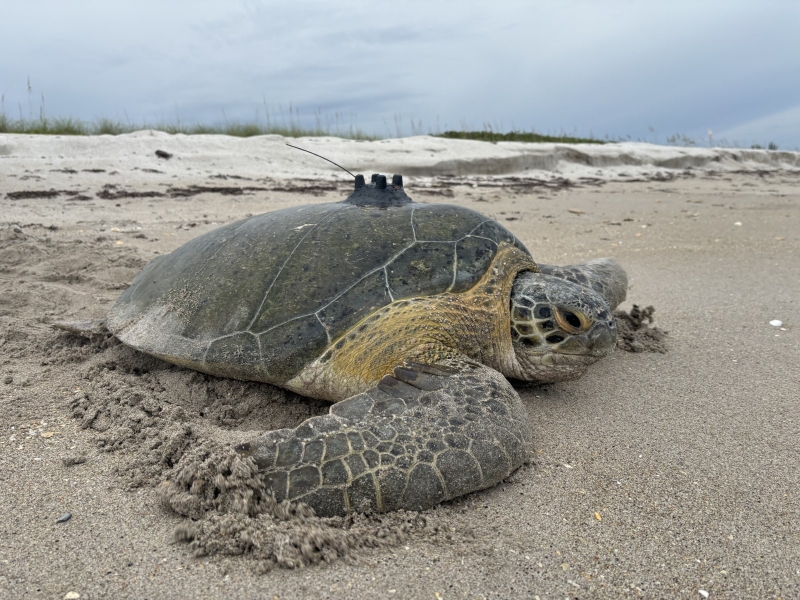
Males have joined the turtle tagging party
July 15, 2024
Researchers from Inwater Research Group (IRG), supported by Dr. Kate Mansfield of the UCF Marine Turtle Research Group and Andrew DiMatteo of CheloniData LLC, have deployed a satellite-linked data logger on an adult male green sea turtle in St. Lucie County, Florida. This initiative aims to study the diving behavior and habitat use of male green turtles along the U.S. east coast.
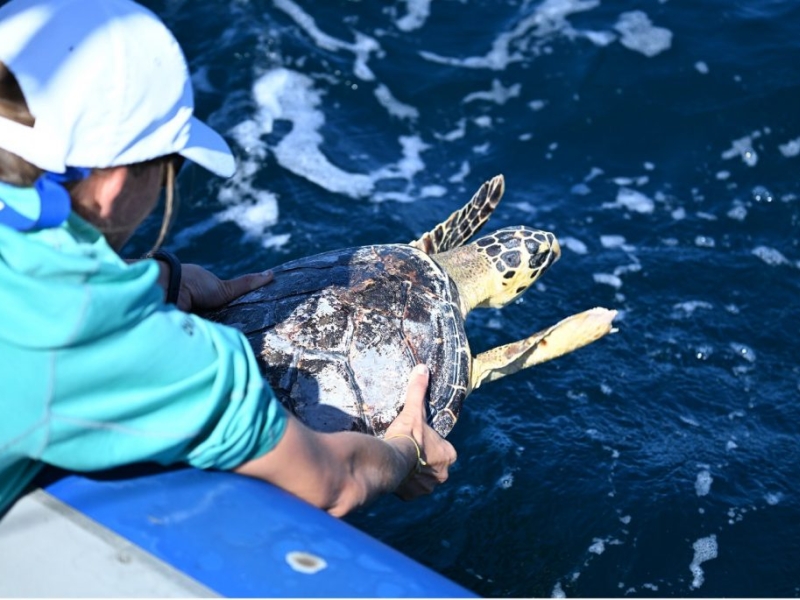
First Satellite Tag Deployments for Atlantic BRS 2024
July 8, 2024
In June 2024, a Duke University team initiated the Atlantic Behavioral Response Study (BRS) by deploying satellite-linked dive recorders on goose-beaked whales (Cuvier's beaked whales) off the coast of North Carolina. These tags collect data on the whales' diving behavior and locations, enhancing understanding of their baseline activities. Additionally, the team released a rehabilitated hawksbill sea turtle named Bagheera back into the Atlantic Ocean.
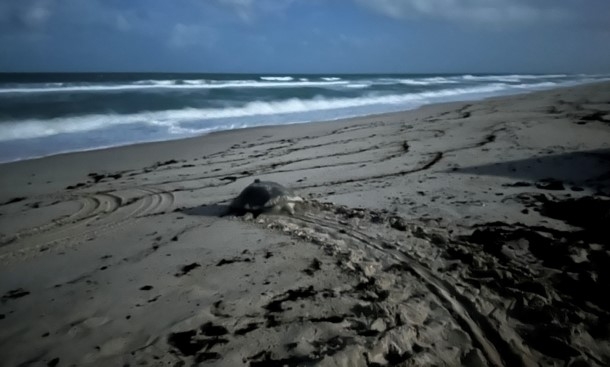
Back in the turtle tagging business
June 28, 2024
Researchers at the University of Central Florida (UCF), led by Dr. Kate Mansfield and supported by the UCF Marine Turtle Research Group and Andrew DiMatteo of CheloniData LLC, deployed five satellite-linked data loggers on adult nesting green turtles at the Archie Carr National Wildlife Refuge in Florida during the week of June 17th.
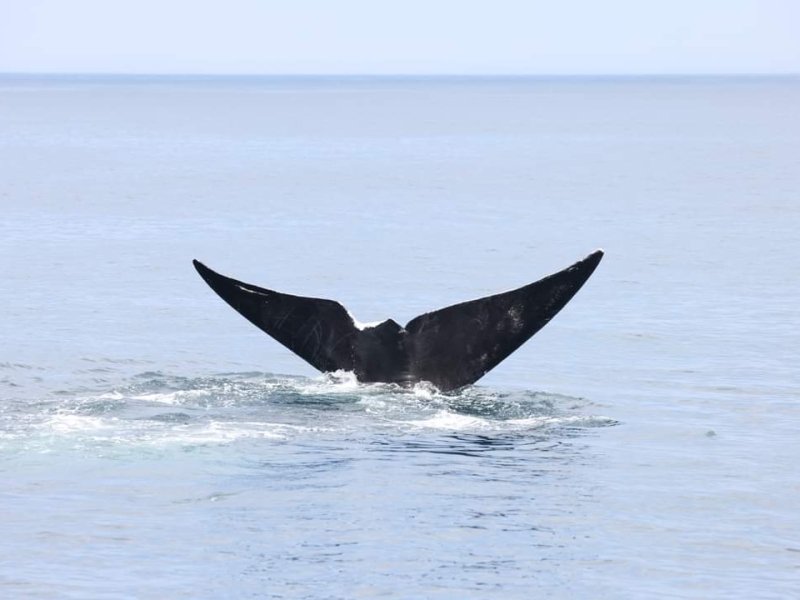
Whales of Summer
June 10, 2024
In the mid-Atlantic, baleen whale sightings typically occur during the colder months, with peak activity in December and January. Sightings of humpback and right whales usually decrease by late March through April. While occasional baleen whale sightings, particularly of fin whales, happen during warmer months, large groups are uncommon as summer approaches. Pelagic surveys during this time often focus on odontocetes like sperm whales and beaked whales.
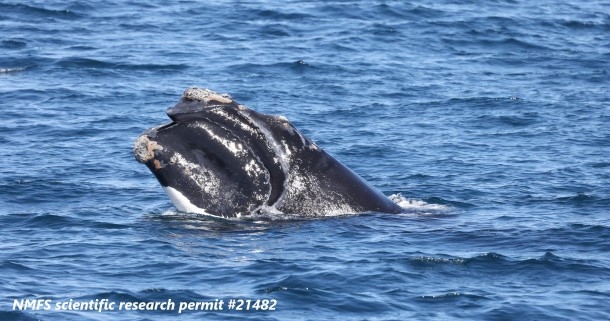
New Right Whale Calf Seen Off Virginia!
June 3, 2024
On Saturday 01 June 2024 during one of our offshore surveys 60 miles southeast of Virginia Beach, we encountered North Atlantic right whale Pico (Catalog #3270) and her calf!
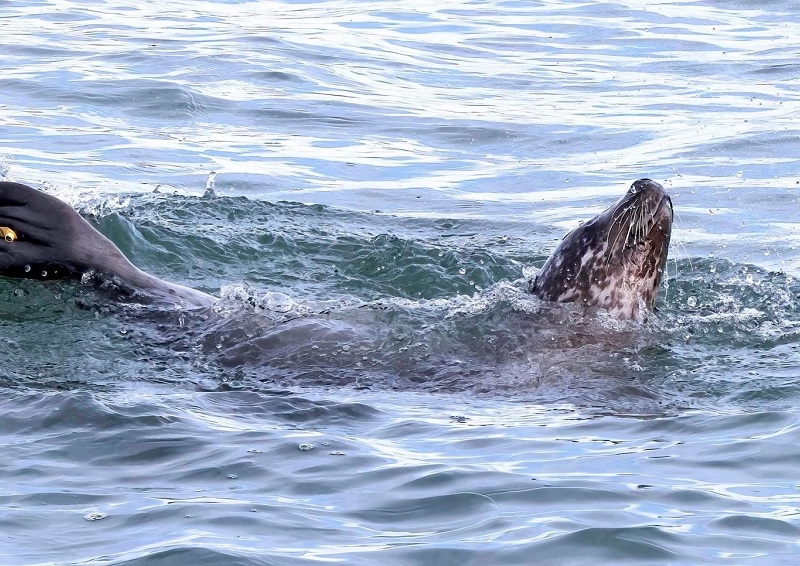
Seal Tagged in 2022 is Back Again!
February 14, 2024
On 10 February 2024, a local wildlife enthusiast, Caroline Prevost, was out on the Chesapeake Bay when she observed some harbor seals enjoying time in the water near island 4 of the Chesapeake Bay Bridge Tunnel.
Large Whale Action in the Mid-Atlantic
January 30, 2024
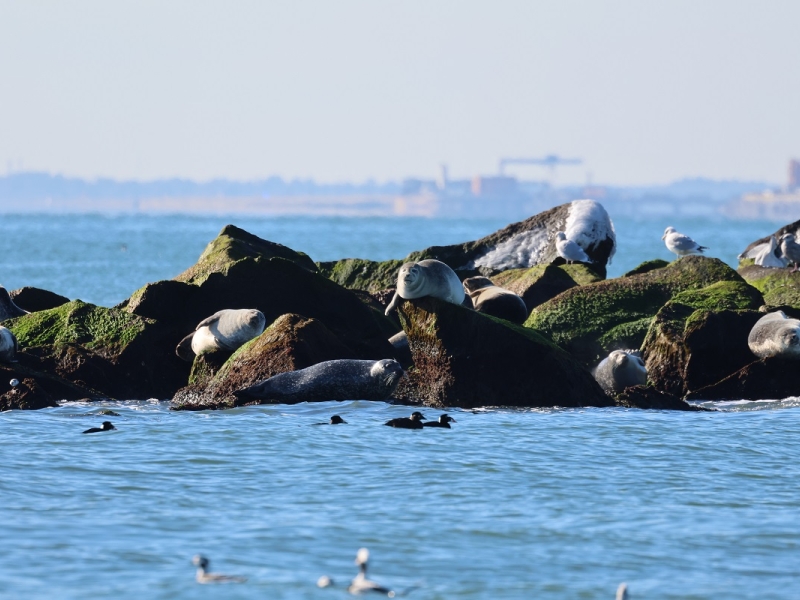
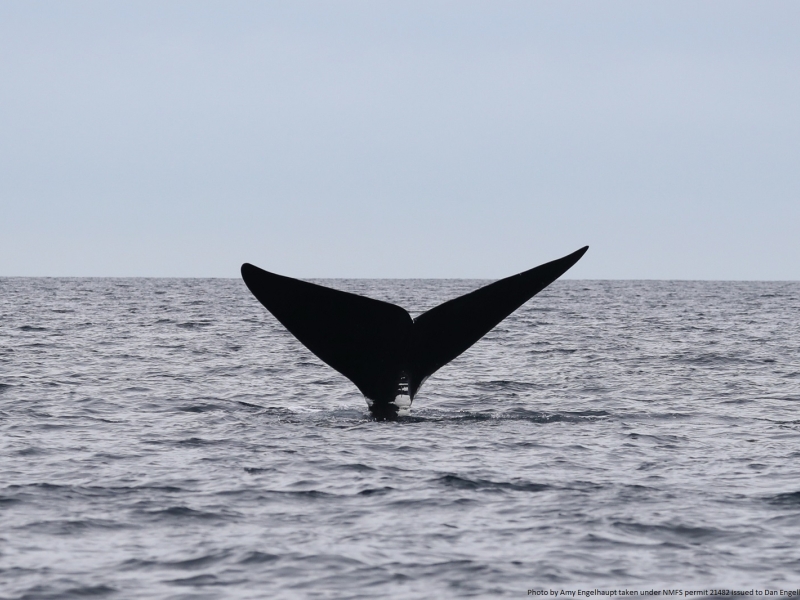
After a relatively slow start to the 2023-2024 large whale season, things are picking up here in the Mid-Atlantic. Last week was the busiest we’ve had so far this season for several of our projects as well as adjacent colleagues.
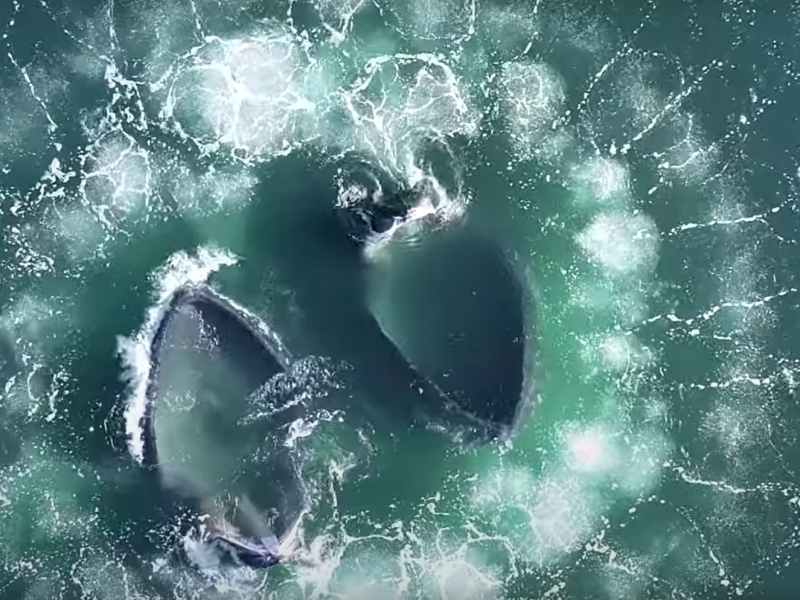
Using drones to study whales from a new perspective
November 21, 2023
Small unmanned aircraft systems (sUAS) or “drones” are increasingly being used to study marine mammals from a different perspective.
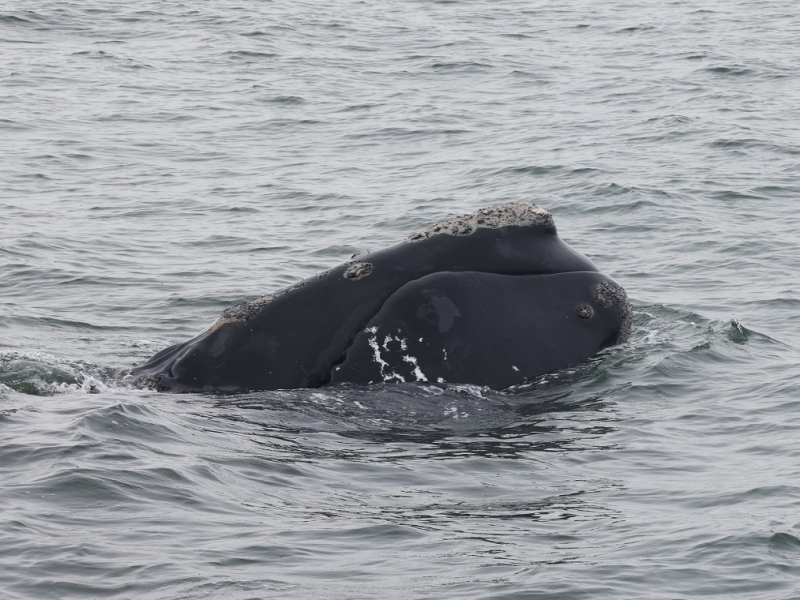
It’s Whale Season in the Mid-Atlantic!
November 20, 2023
Baleen whale season has started in the mid-Atlantic and we have several projects in the region studying their occurrence and behavior.
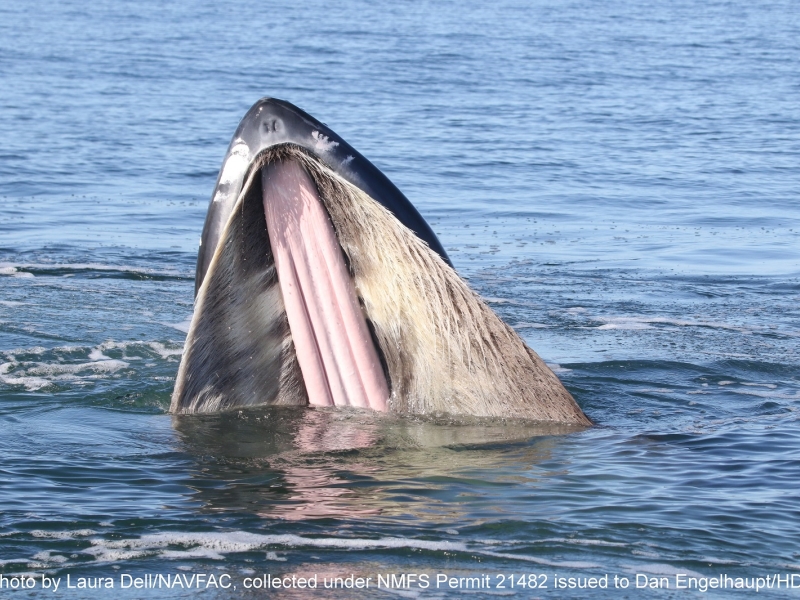
Humpbacks - New visitors and familiar friends in the Mid-Atlantic
November 20, 2023
On 16 November 2023, the weather lined up perfectly for HDR Inc. to go out in their small boat for some large whale survey work under the Mid-Atlantic Nearshore and Mid-shelf Baleen Whale Monitoring Project.
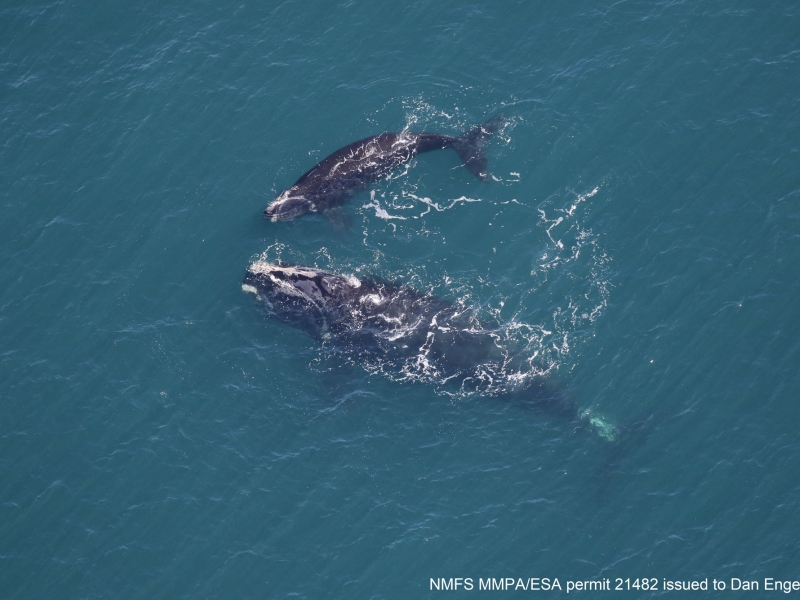
Coming full circle – right whale mom returns with calf
March 15, 2023
Previously CATS tagged Right whale "Smoke" is sighted again in VA with a calf.
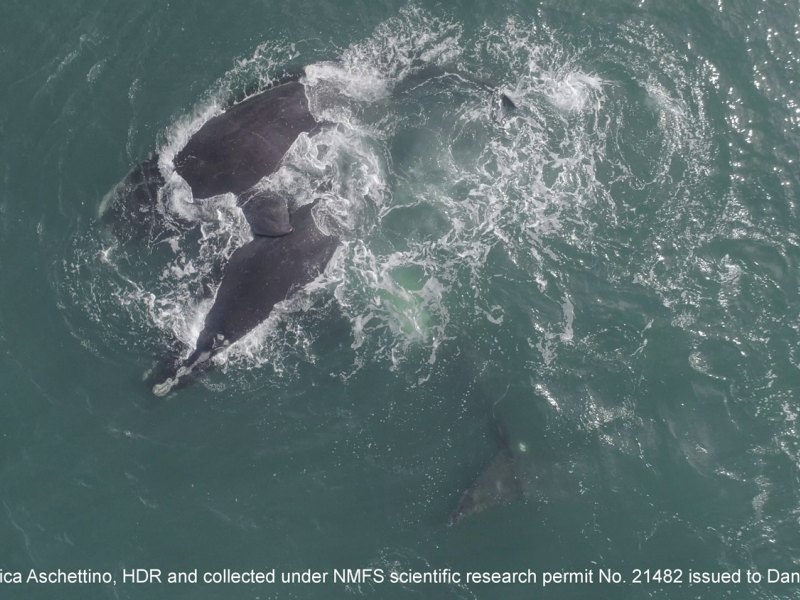
Right Whale Party in the Mid-Atlantic
February 4, 2023
A Surface Active Group of North Atlantic right whales off the coast of Virginia.
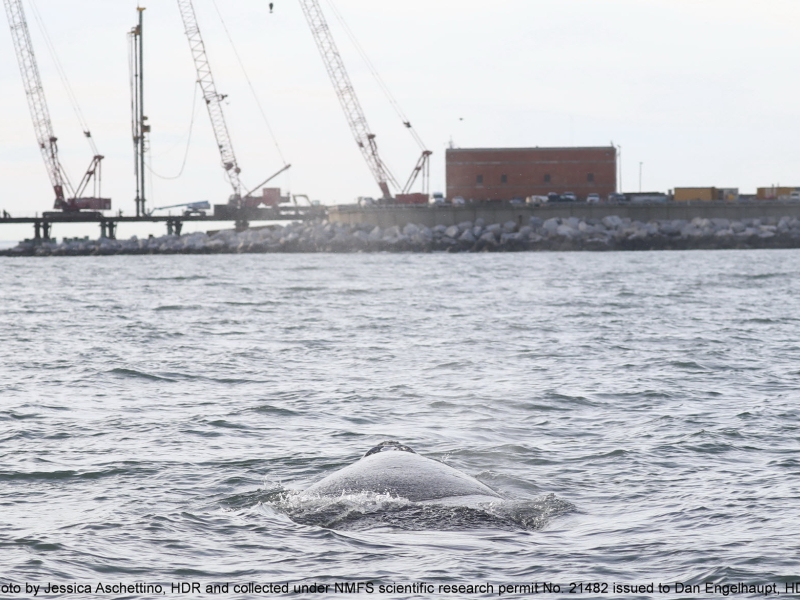
An Urban Whale
February 3, 2023
A juvenile North Atlantic right whale finds itself in a busy area.
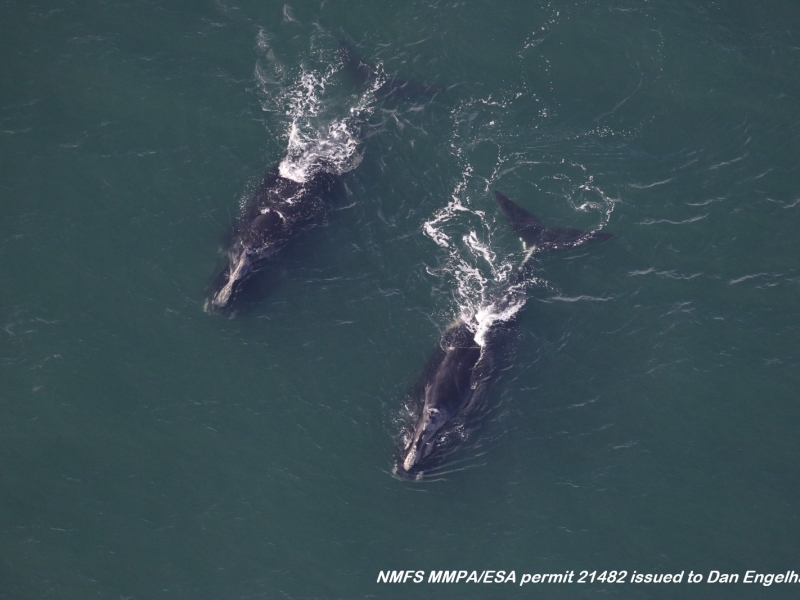
Right whales are on the move!
November 23, 2022
Two female right whales were sighted off Virginia during their southbound migration.
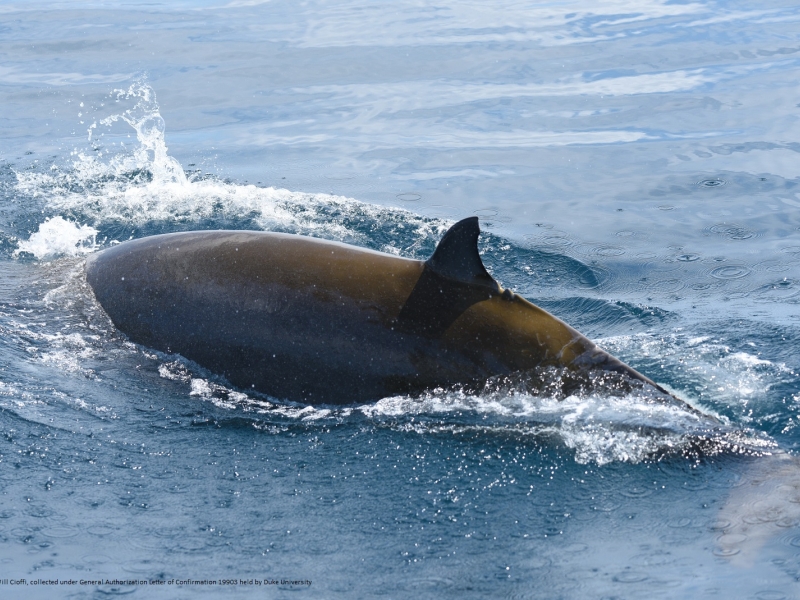
Cuvier's from Cape to Canyon
September 16, 2022
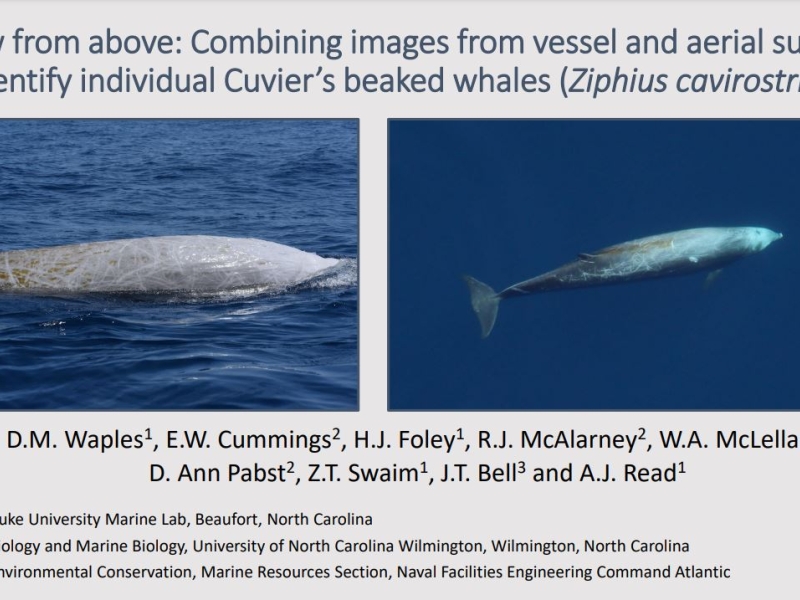
Photo ID match of a Goose-beaked whale between Cape Hatteras and Virginia Beach after two years.
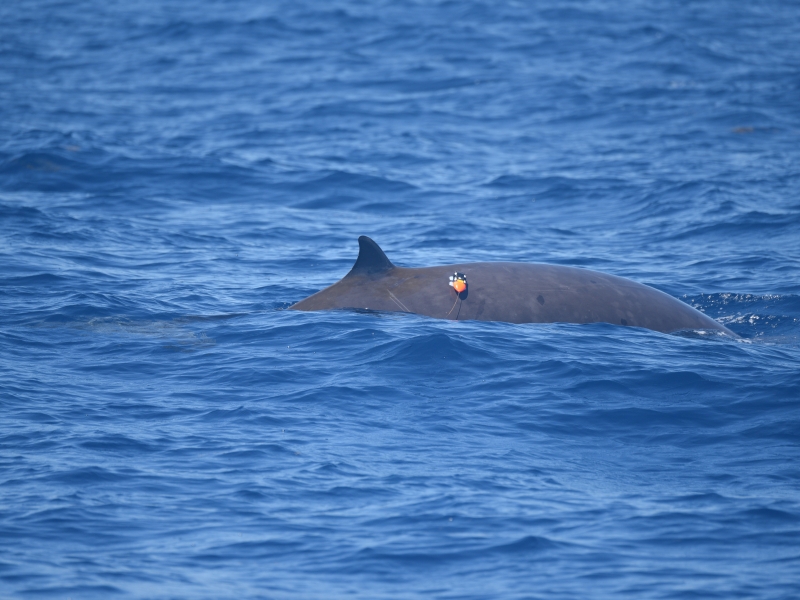
Atlantic BRS – 2022 CEE with the USS Farragut
August 26, 2022
A controlled exposure success story using a Navy ship.
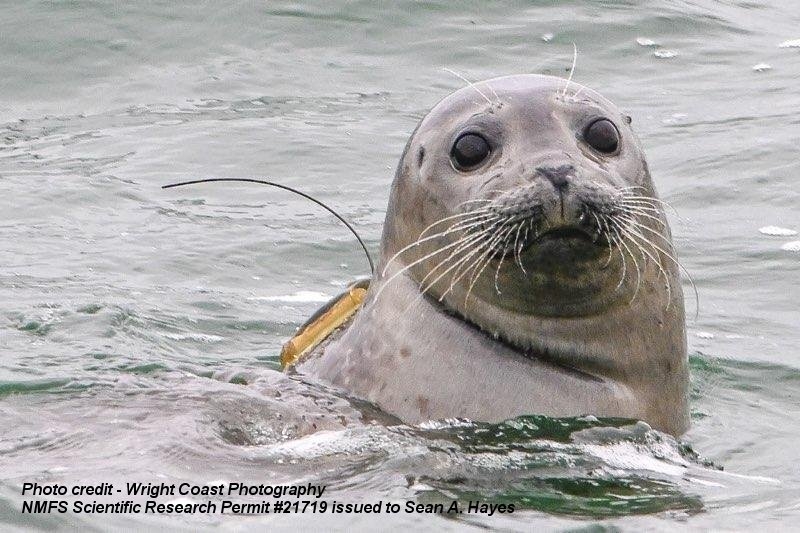
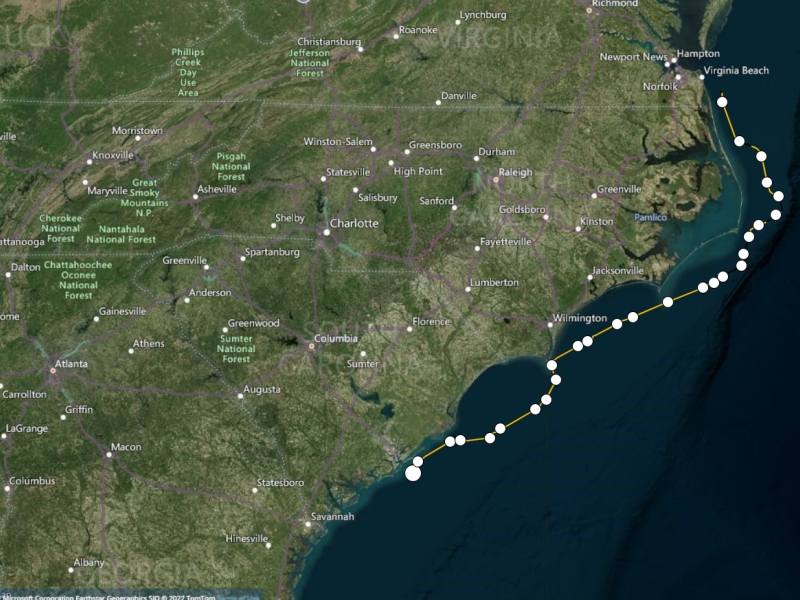
NARW tagged off VA Beach!
March 2, 2022
A yearling right whale was tagged off Virginia.
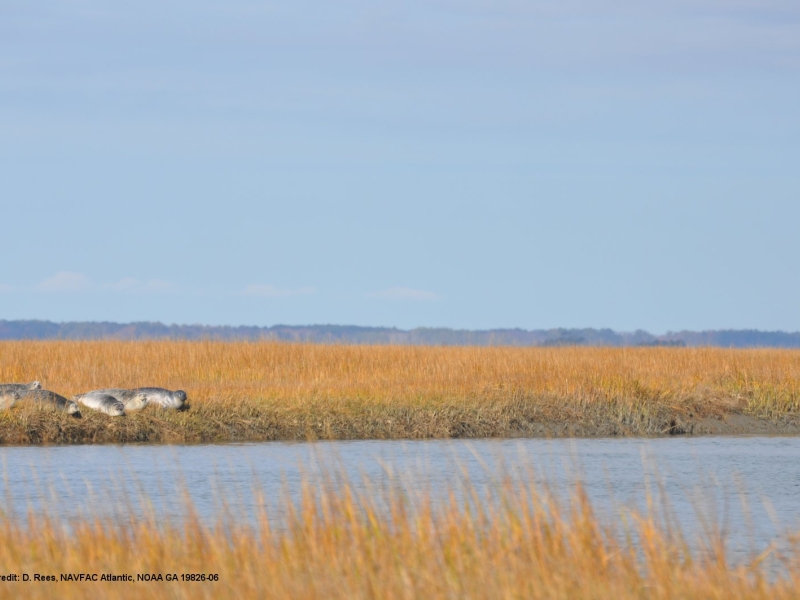
Pinniped season has begun in SE Virginia
October 27, 2021
Camera traps have been installed to track seals in Virginia.
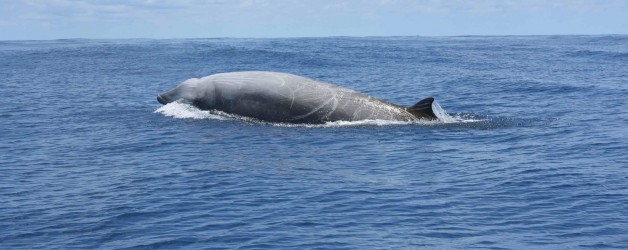
Atlantic BRS - First CEE of 2021
August 9, 2021
A team of researchers and Navy staff recently completed the first controlled exposure experiment of the 2021 field season for the Atlantic Behavioral Response Study.
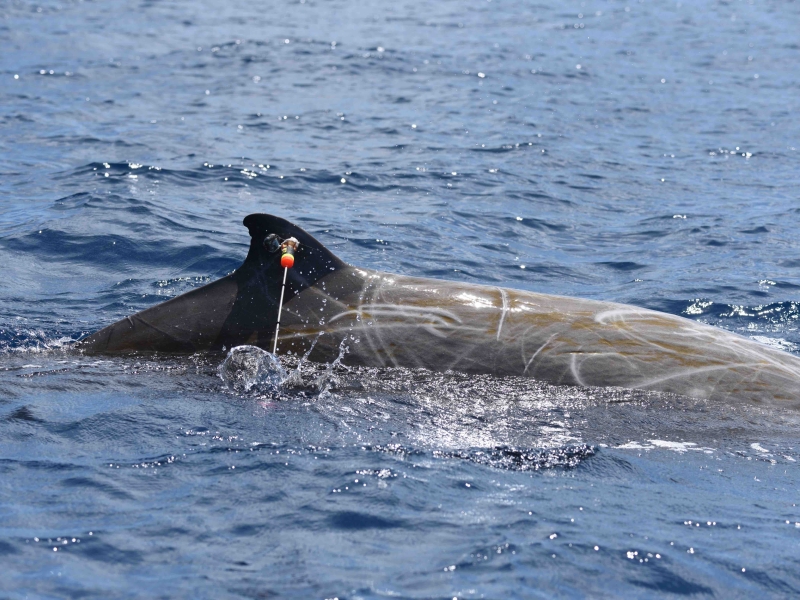
Atlantic Behavioral Response Study kicks off 2021 field season
July 13, 2021
The Atlantic Behavioral Response Study kicked off the 2021 field season last week by deploying the first round of satellite-linked telemetry tags on Cuvier's beaked whales.
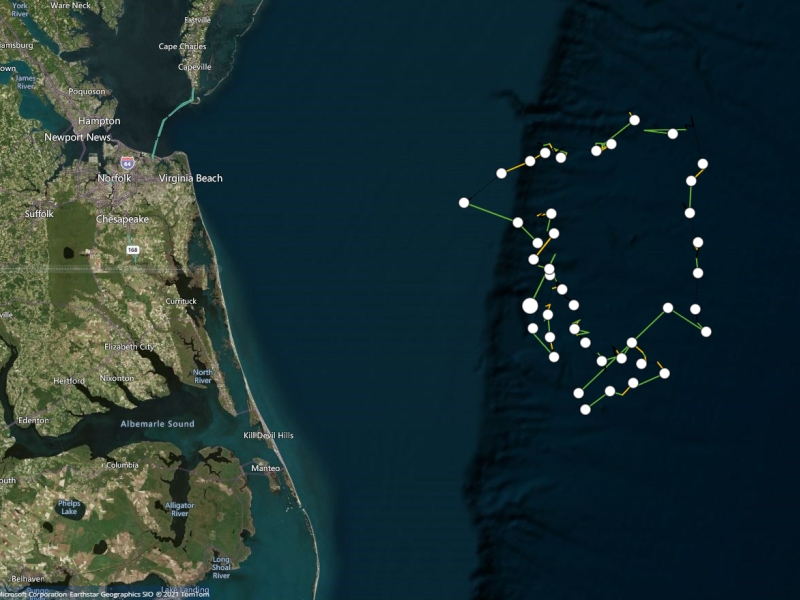
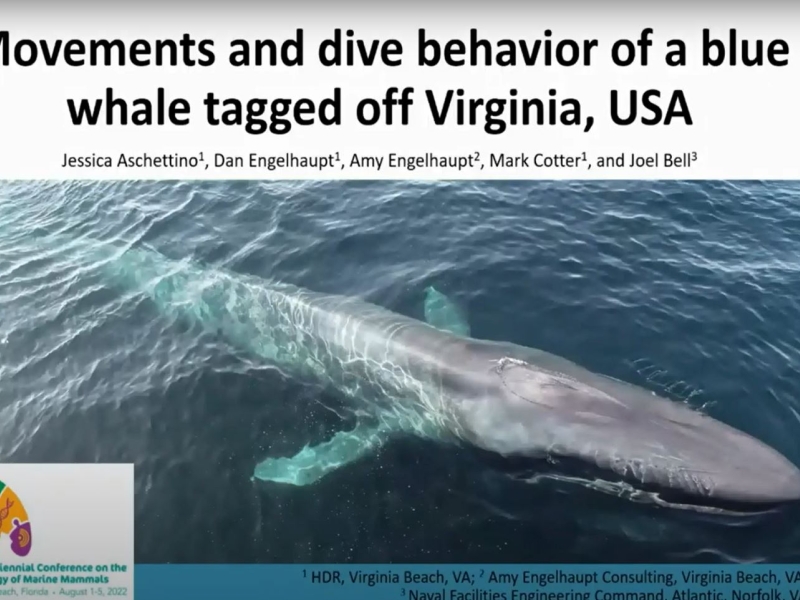
Blue whale tagged off the coast of Virginia
April 26, 2021
Details on the first blue whale tagged in the region.
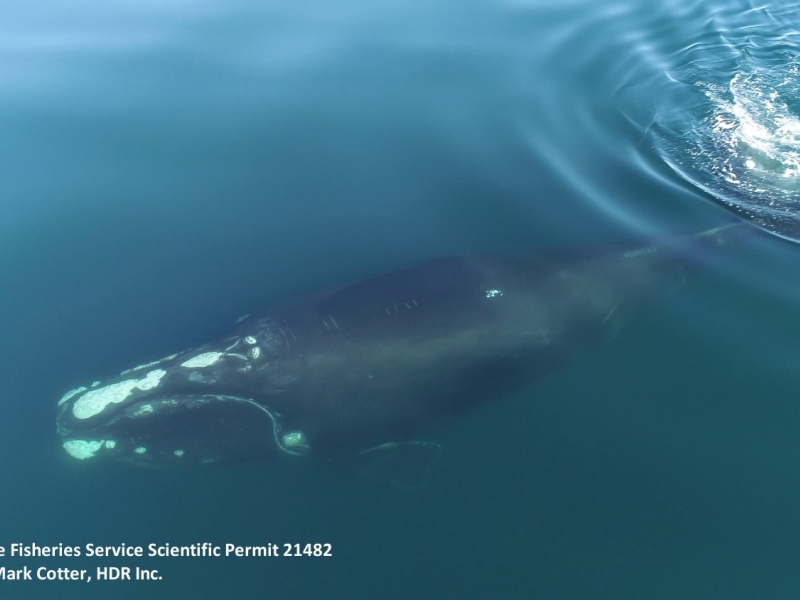
Tracking an endangered North Atlantic right whale
March 15, 2021
A yearling right whale was tagged off the coast of VA and tracked for 12 days.
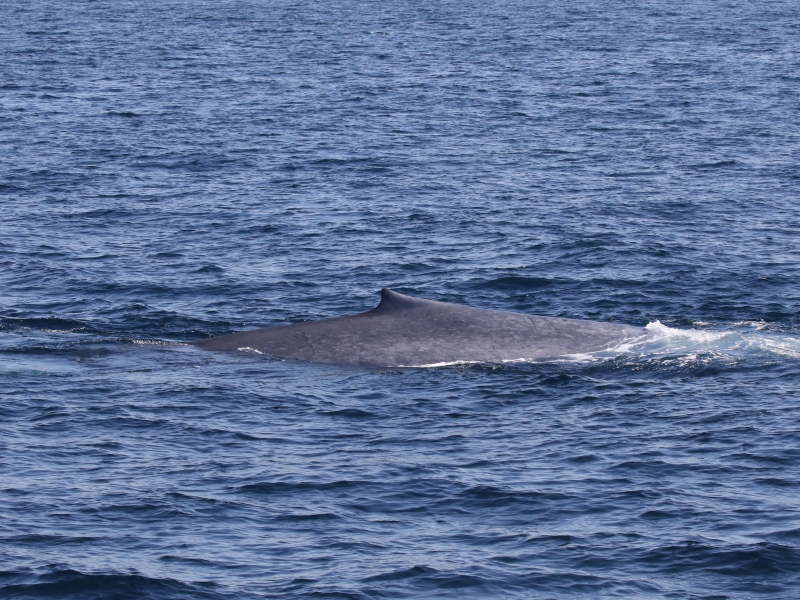
Drone footage of a blue whale off the coast of Virginia!
March 14, 2021
Blue whale footage from Virginia
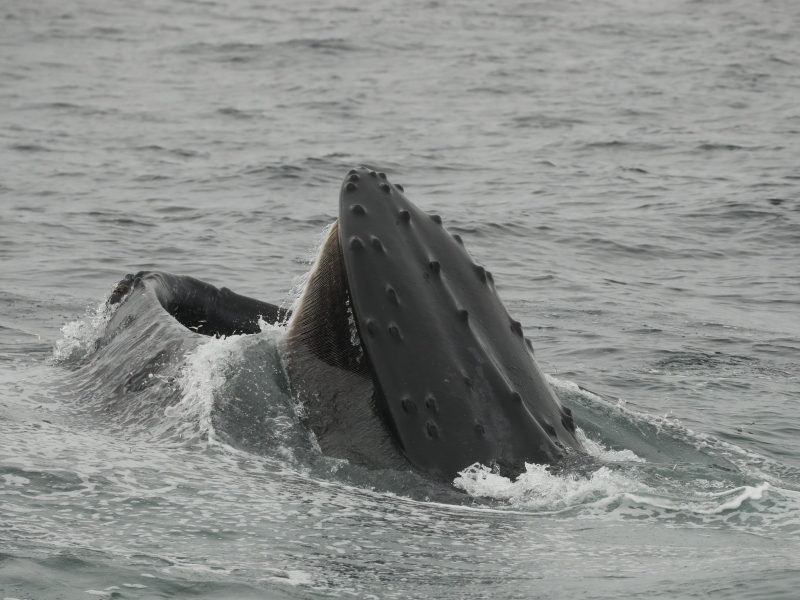
Drone footage of humpback whale bubble-net feeding off the coast of Virginia
February 18, 2021
Humpback whale "Tobin" bubblenet feeding off VA.
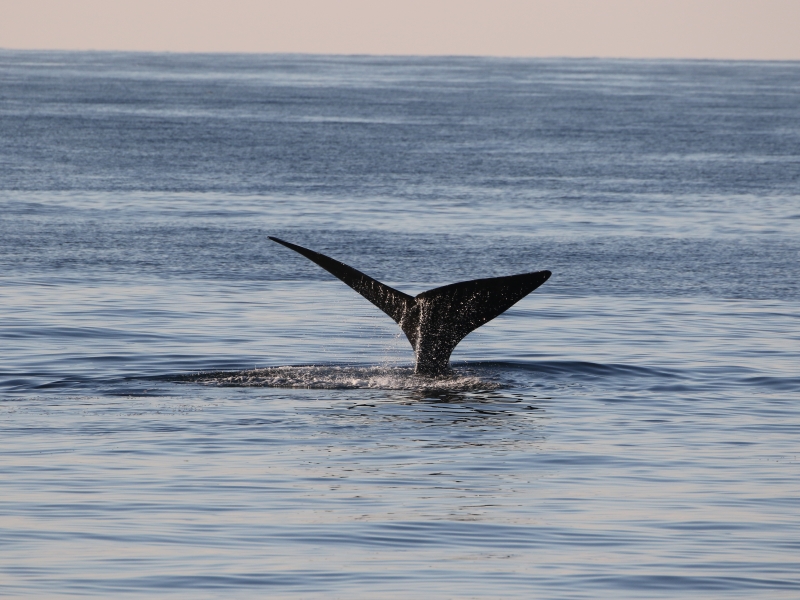
Fantastic video of an encounter with North Atlantic right whales off the coast of Virginia Beach
January 27, 2021
Footage of three right whales off Virginia.
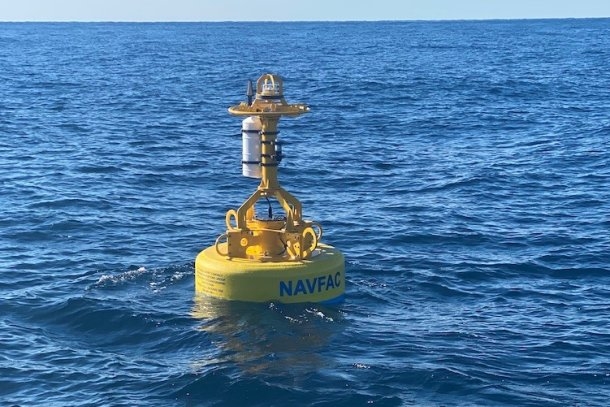
New acoustic monitoring buoy helps researchers study and protect North Atlantic Right Whales
January 19, 2021
A new buoy to listen for protected whales.
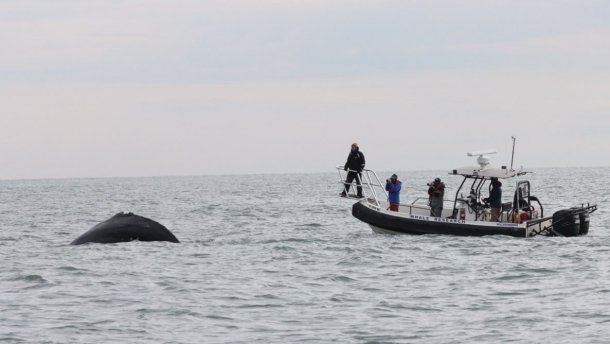
Entangled humpback whale
January 8, 2021
Our team assisted with the disentanglement efforts of a young humpback whale.
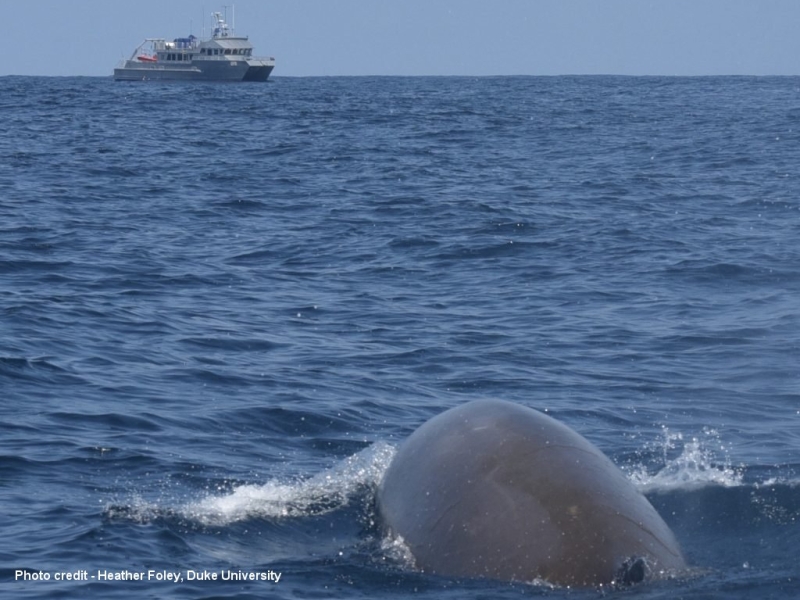
Atlantic BRS - First CEE of 2020
July 17, 2020
The first CEE of 2020 overcame the challenges of COVID-19.
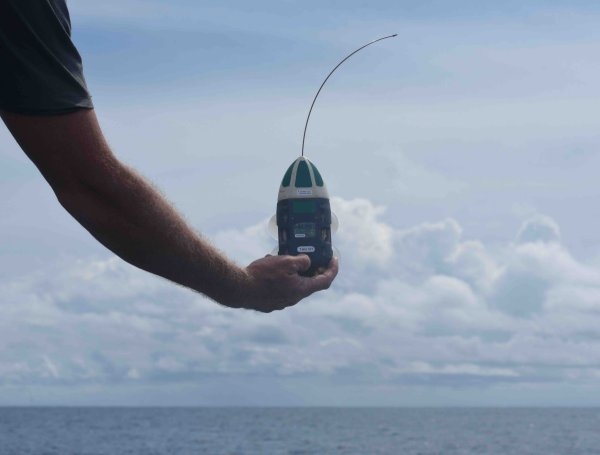
Atlantic BRS - Multi-scale CEE Success!
August 15, 2019
The first CEE while two different tag types were deployed.
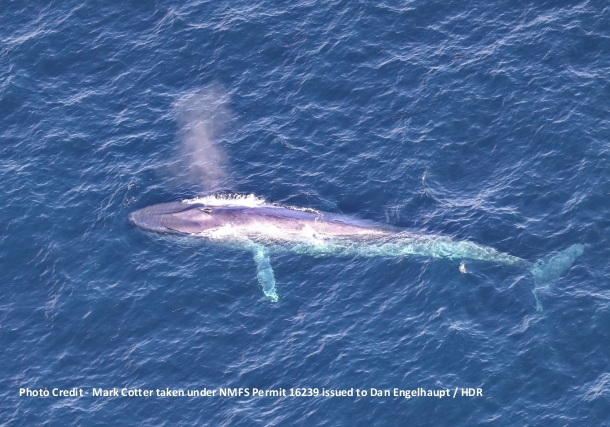
Fin and blue whale feeding aggregation observed in Norfolk Canyon study area
March 26, 2019
Baleen whale feeding assemblage offshore of Virginia.
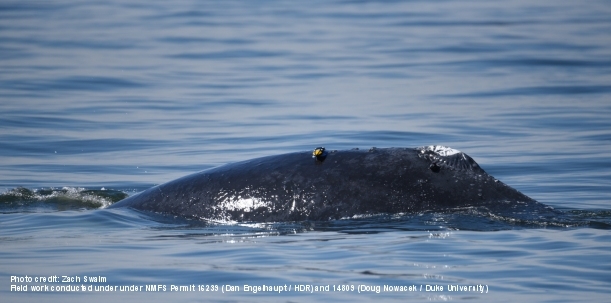
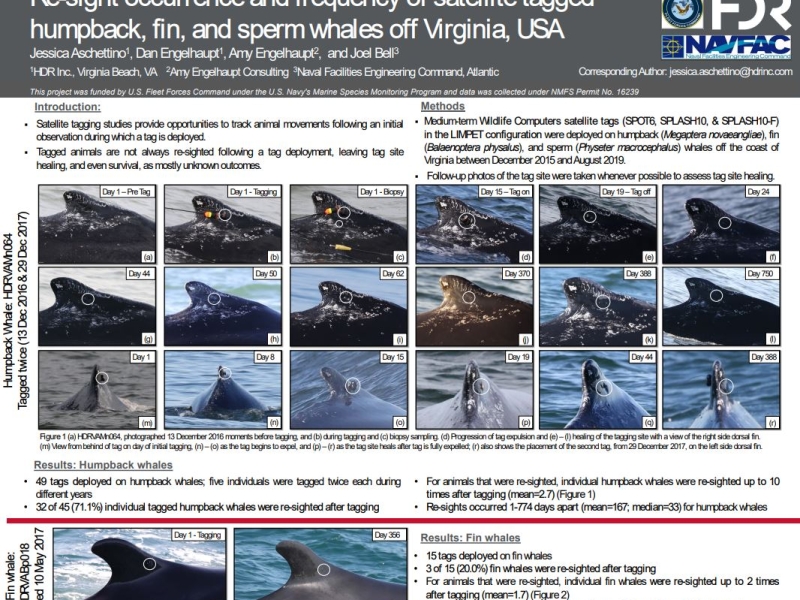
One whale tagged twice.
March 8, 2019
D-tag and limpet tag on a humpback whale.
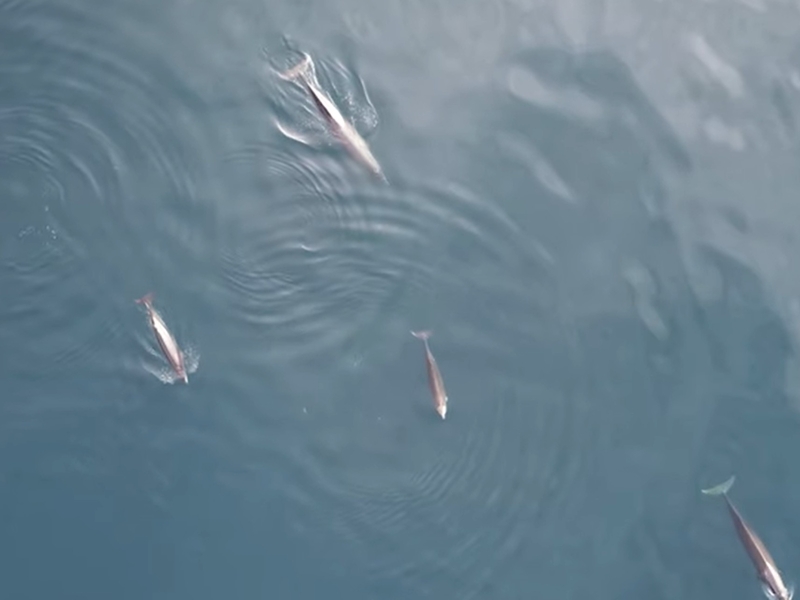
Sowerby's beaked whales encountered at Norfolk Canyon
January 7, 2019
Excellent drone footage of a group of rarely seen beaked whales.
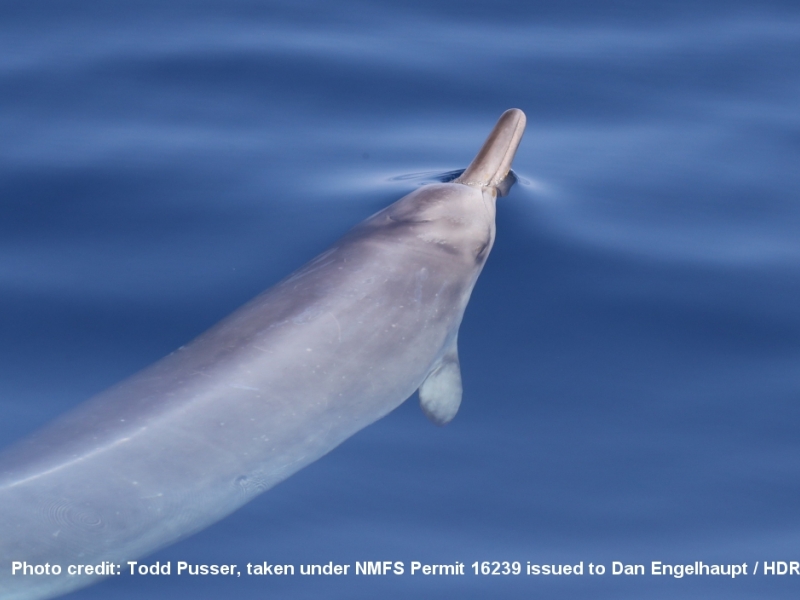
Sowerby's beaked whale tagged offshore of Virginia
September 12, 2018
A rarely seen beaked whale was tracked offshore.
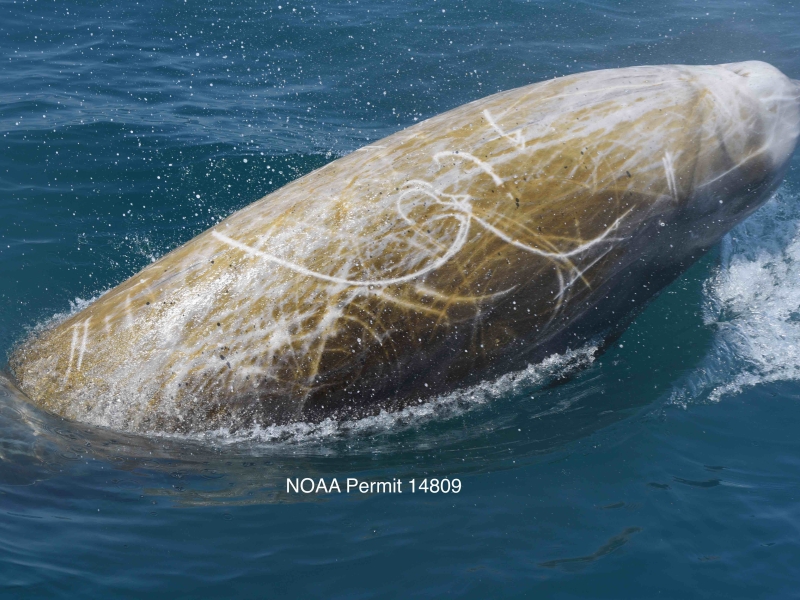
Atlantic BRS 2018 Field Work is Underway
May 18, 2018
The 2nd year of Atlantic BRS has begun.
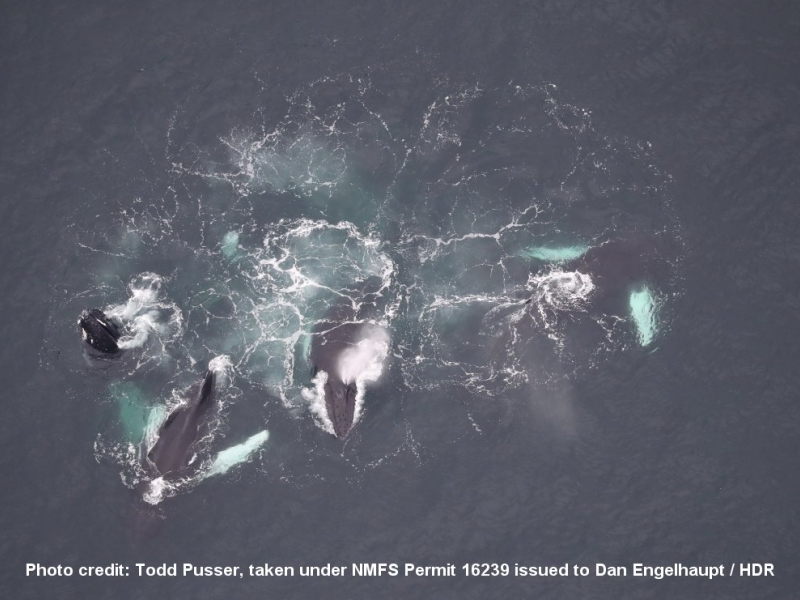
Blue whales and sei whales and right whales - OH MY!!!
April 18, 2018
A spring aggregation of endangered whales offshore.
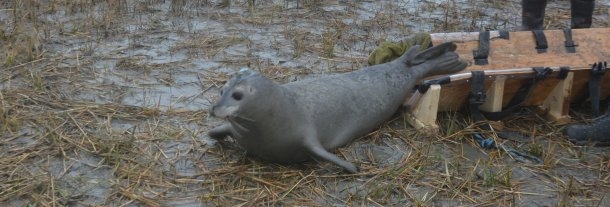
Seal Tagging Team Win!
February 6, 2018
Successful seal tag deployment on the Eastern Shore of VA.
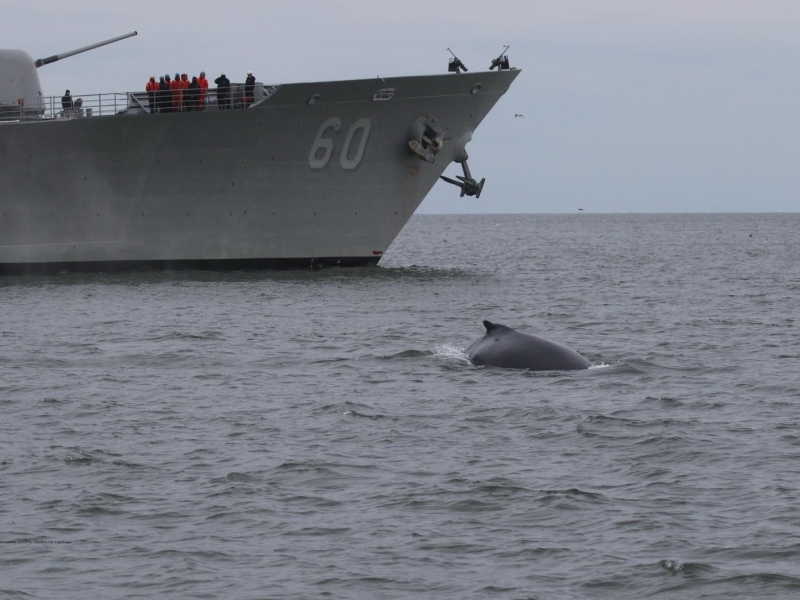
Repeat tagging customers to humpback monitoring project
January 30, 2018
Some interesting notes on site fidelity in Humpack whales.
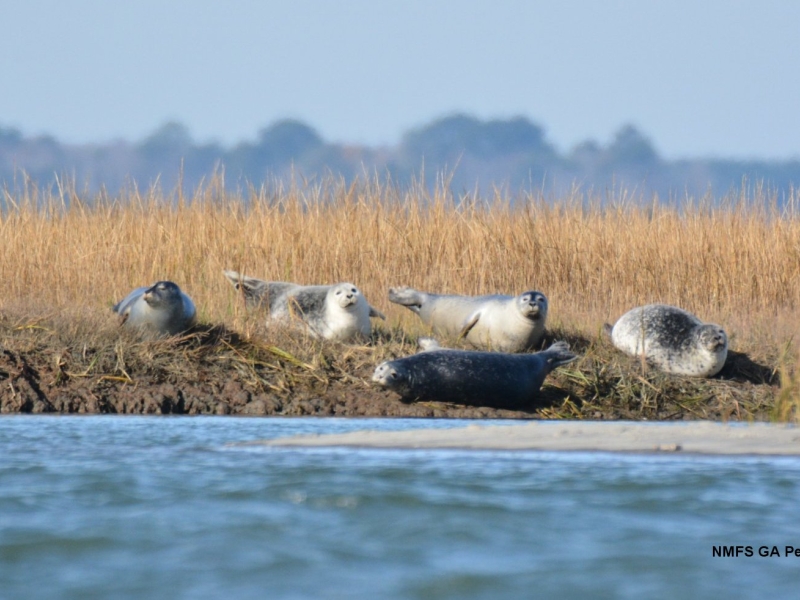
First Harbor Seal Haul-Out Survey of the Season in Virginia
December 19, 2017
Seals have arrived in Virginia
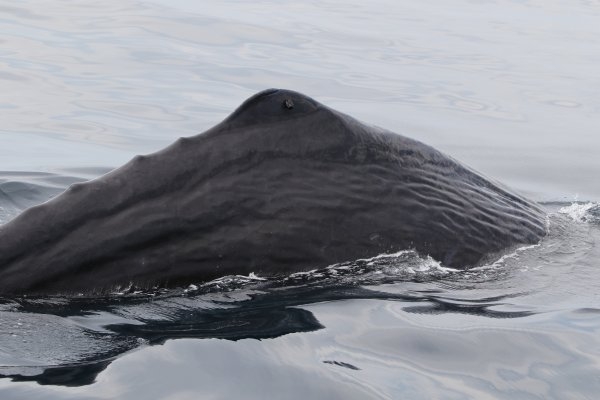
Sperm whales tagged off Virginia Beach
August 25, 2017
Several groups of sperm whales were sighted offshore of VA.
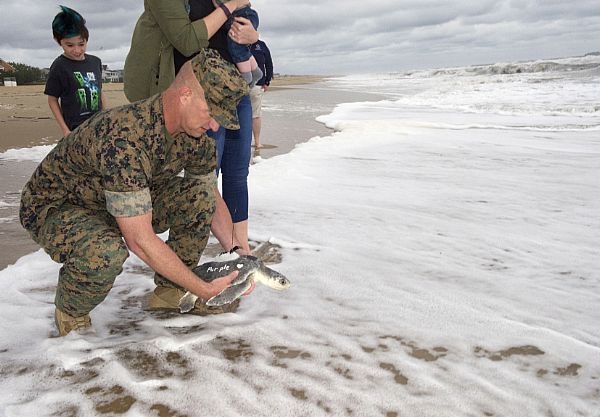
"Purple Heart" sea turtle released back into the ocean
June 12, 2017
Rescued sea turtle is tagged and released by a retired Marine.
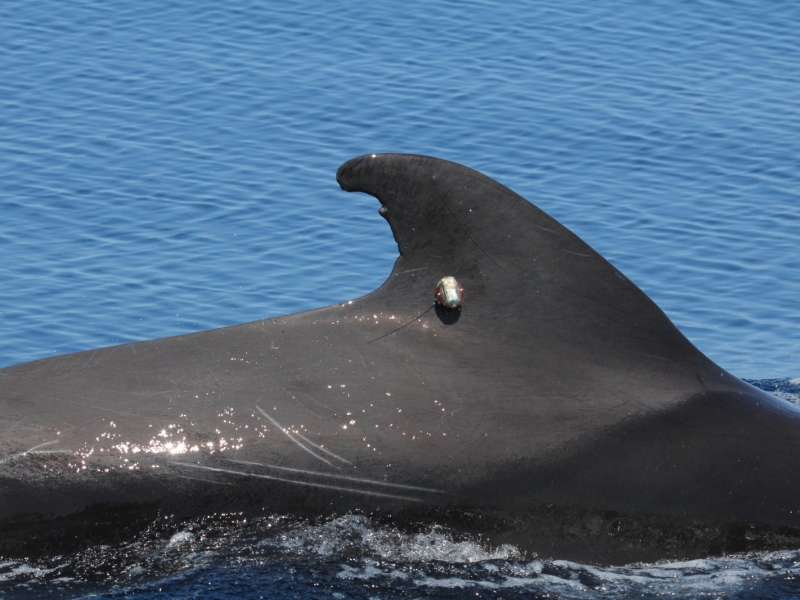
Atlantic BRS 2017!
May 22, 2017
The Atlantic BRS efforts are underway.
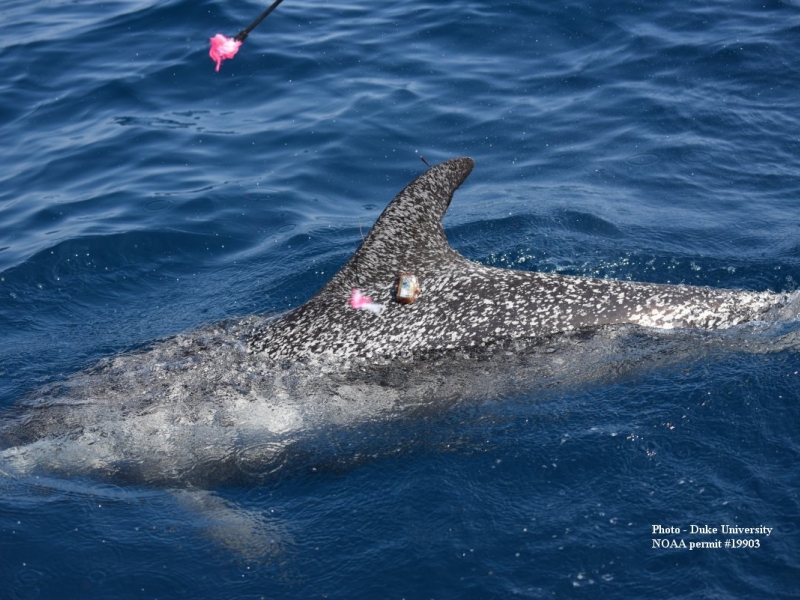
Bonus tagging in JAX
June 15, 2016
Odontocete tagging in Florida.
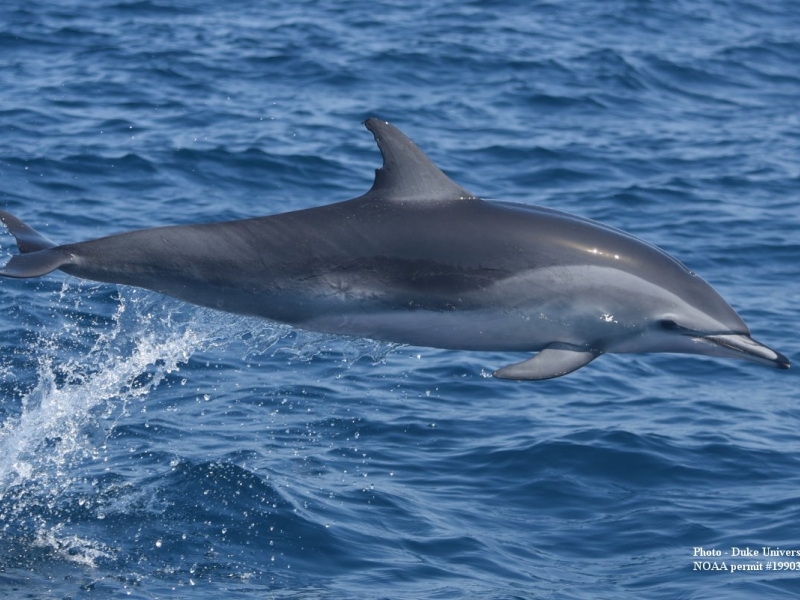
Banner day tagging odontocetes at Hatteras!
June 1, 2016
A busy field day in NC.
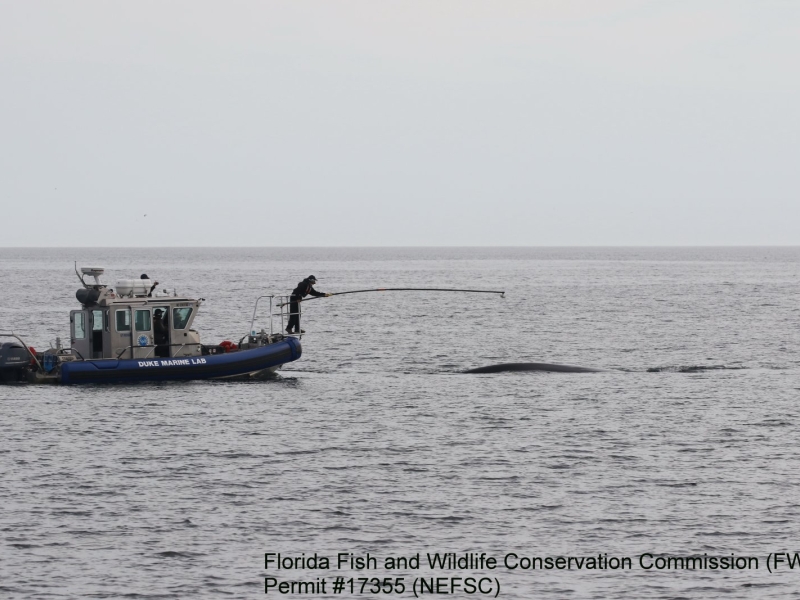
Tagging North Atlantic Right Whales
May 9, 2016
Southeast US tagging project has successful season.
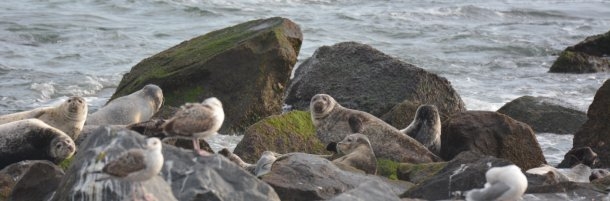
Seals of Rhode Island and Virginia
February 17, 2016
Two projects studying harbor seals on the east coast.
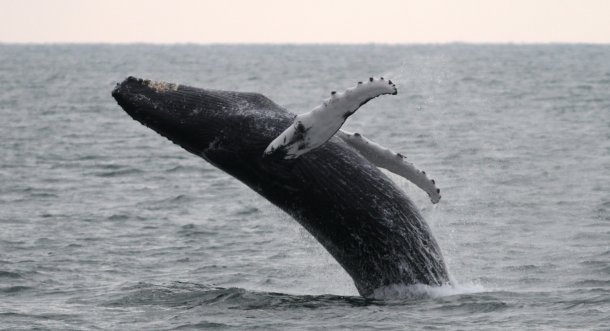
Tagging Atlantic Humpbacks
January 8, 2016
Year two of our Chesapeake Bay humpback whale project has begun!
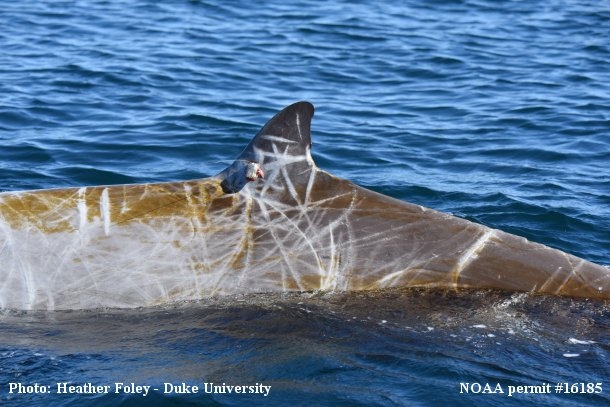
Hatteras tagging wraps up for 2015
November 10, 2015
The finale of a successful field season.
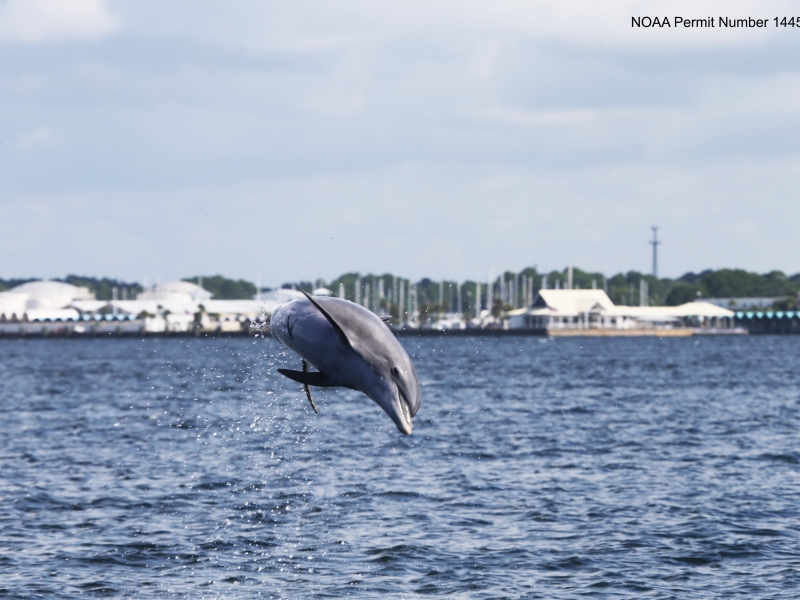
Panama City Dolphin Survey Complete!
August 12, 2015
Bottlenose dolphin photo ID efforts in Florida
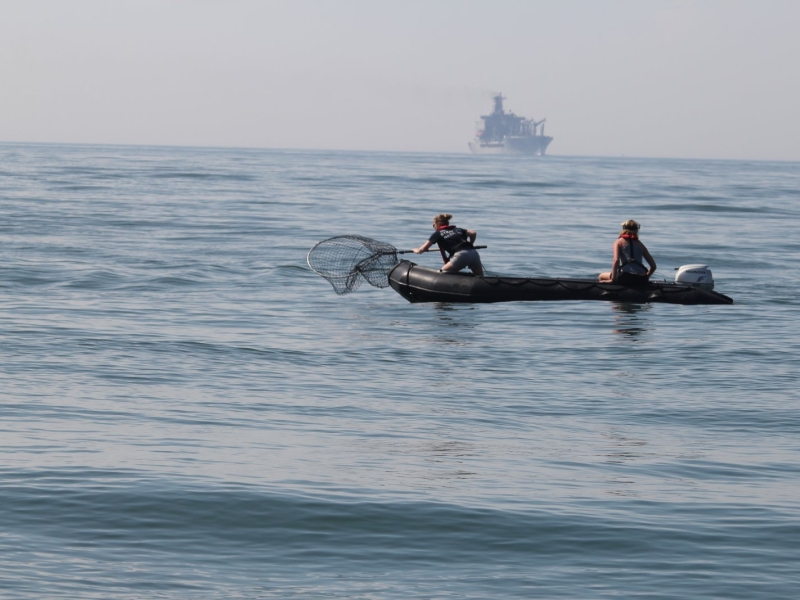
Turtle Tagging Season Has Begun!
May 18, 2015
Tagging loggerhead and Kemp's ridley sea turtles off Virginia.
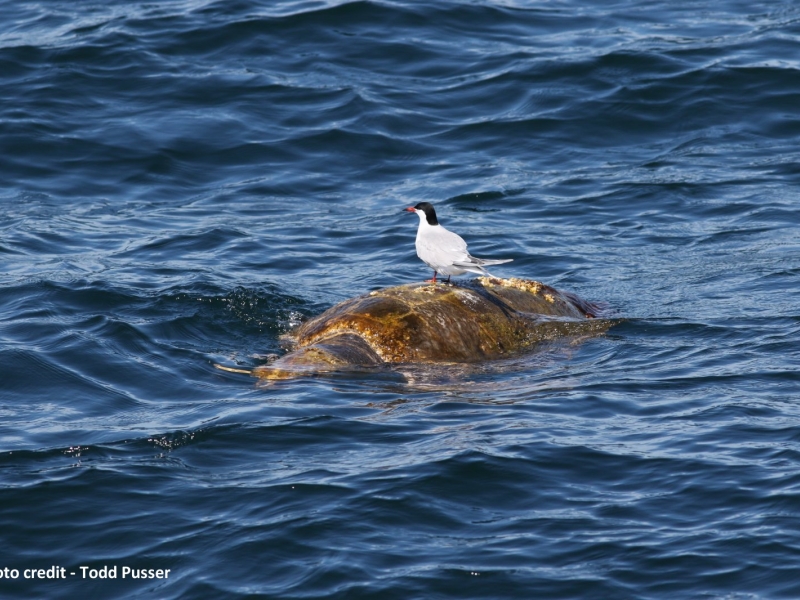
Great Day for a Mid-Atlantic Offshore Survey
April 20, 2015
Pelagic cetaceans and sea turtle sightings.
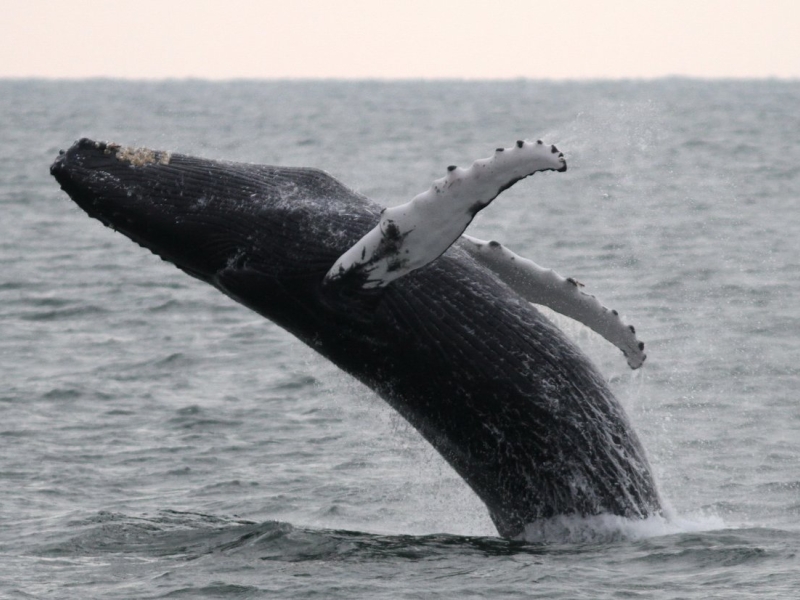
Humpbacks Have Arrived!
December 30, 2014
It's winter in Virginia and that means whales!
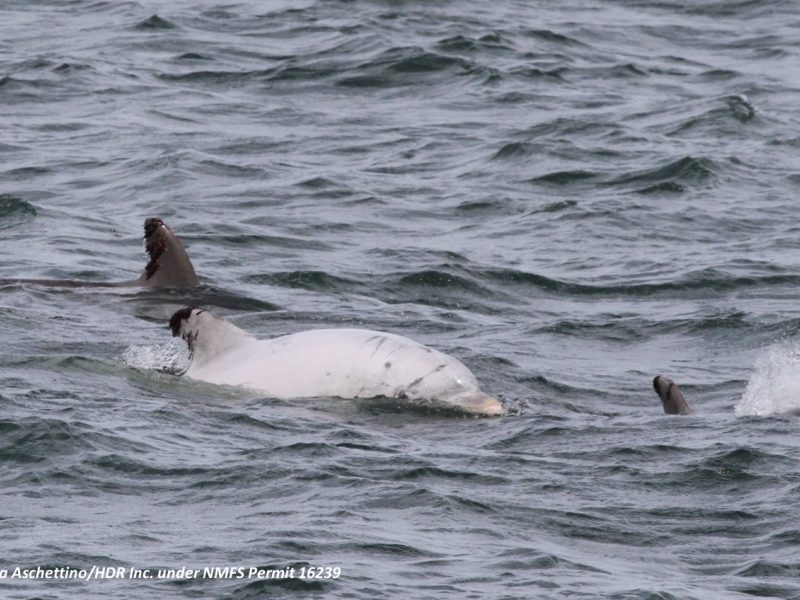
White “Leucistic” Bottlenose Dolphin Seen on Marine Mammal Survey
October 30, 2014
Leucism, like albinism, is a genetic condition that results in a lack of pigmentation in the skin.
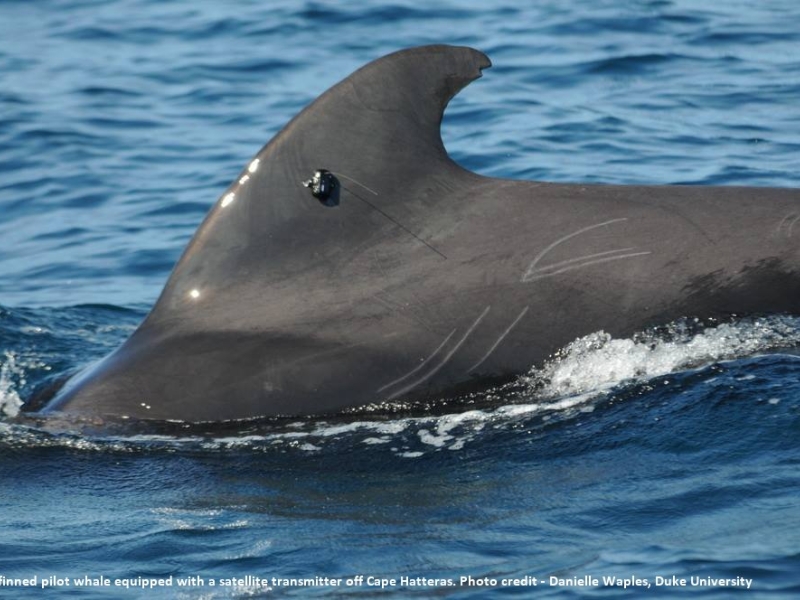
Tagging Deep Diving Odontocetes Off Cape Hatteras - Part 3
September 26, 2014
Details on the 3rd field session for the year.
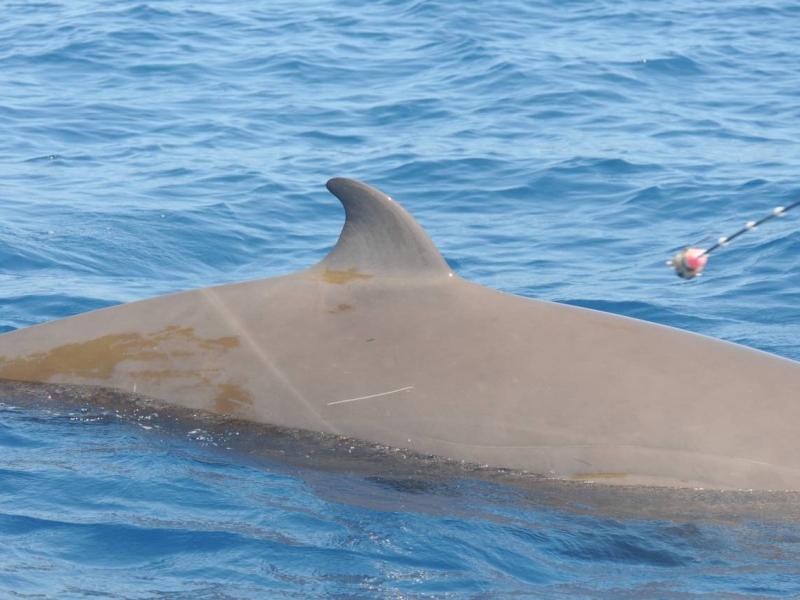
Tagging Whales Off Cape Hatteras
May 21, 2014
Learning about the movements of odontocetes.
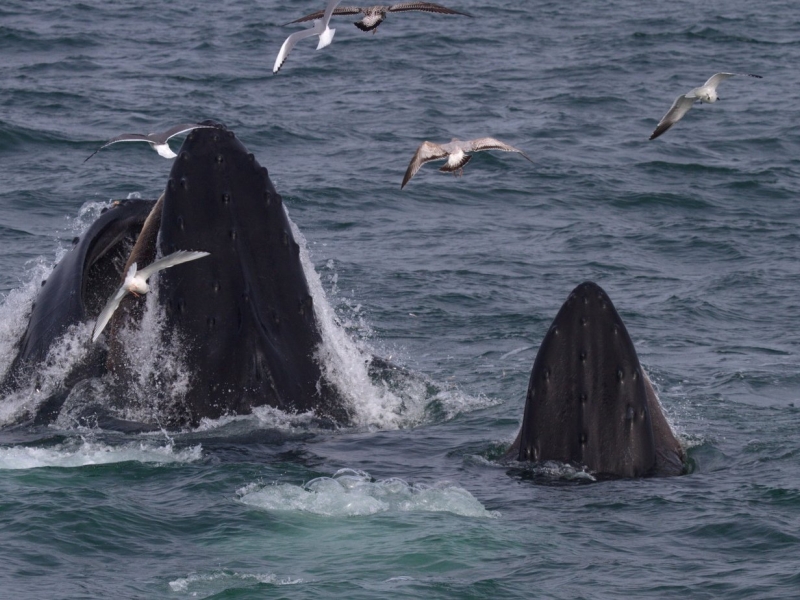
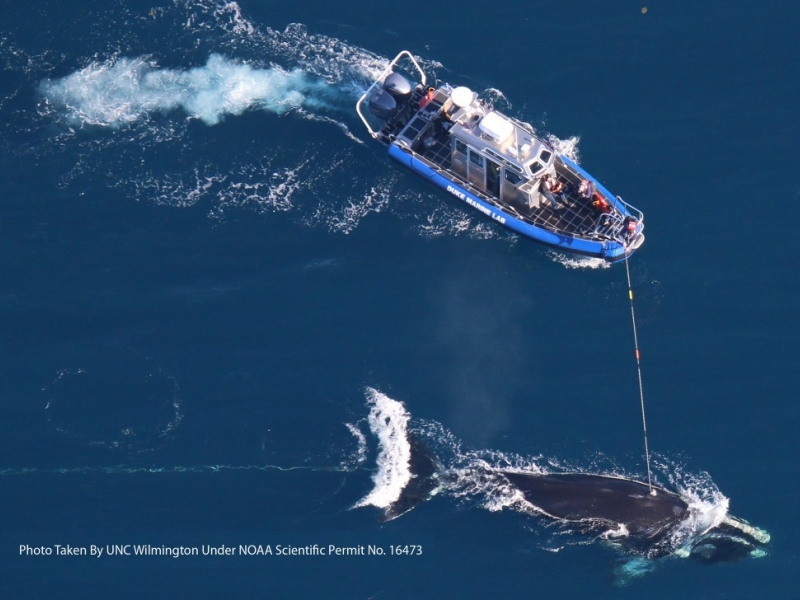
North Atlantic Right Whale Disentanglement
March 3, 2014
Our team provided assistance to a disentanglement effort.
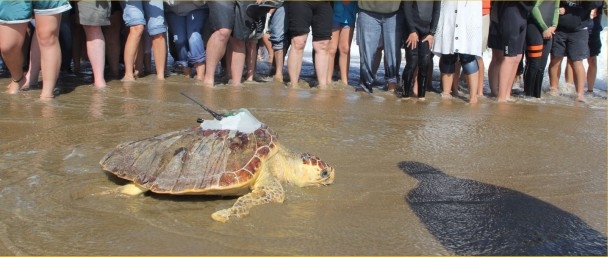
Sea Turtle Rehabilitation and Release
November 26, 2013
Tagging rescued sea turtles.
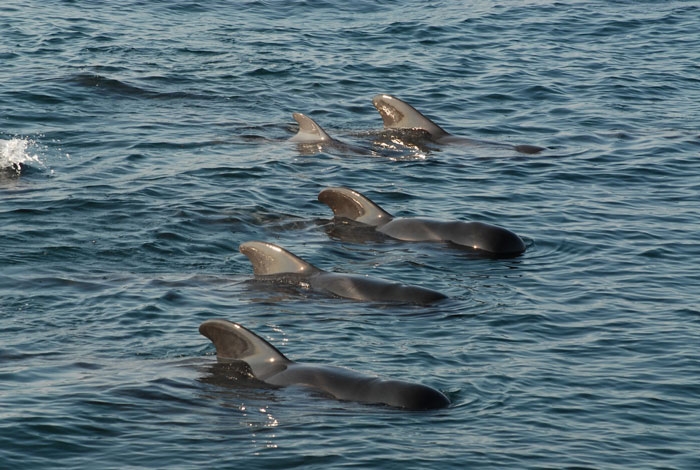
Cape Hatteras Field Work Update
October 28, 2013
Calm days at sea off NC.
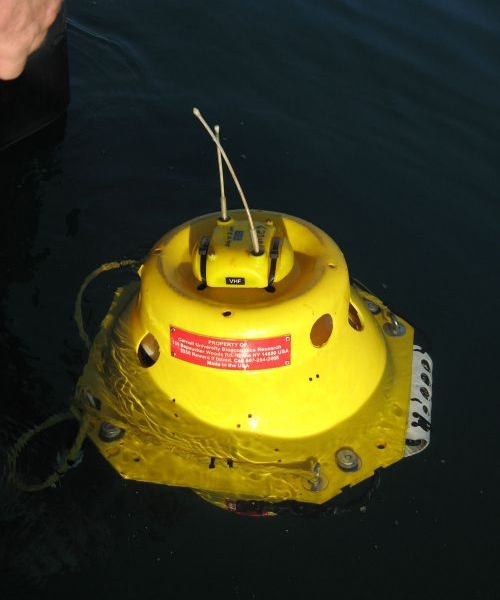
Passive acoustic monitoring for right whales off Cape Hatteras
October 21, 2013
MARUs off NC
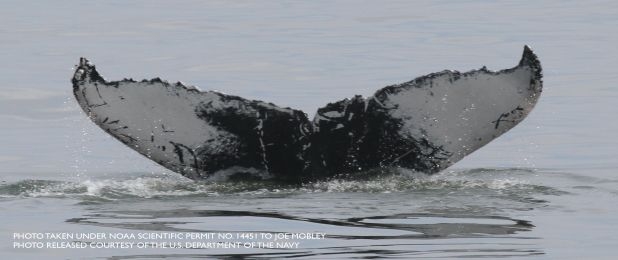
Spinnaker sighted off Virginia Beach
September 25, 2013
A well known whale makes a visit.
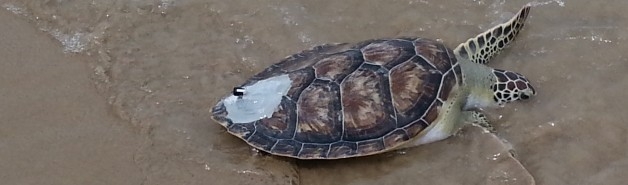
Atlantic sea turtle tagging project is underway!
July 17, 2013
The start of a new turtle project.
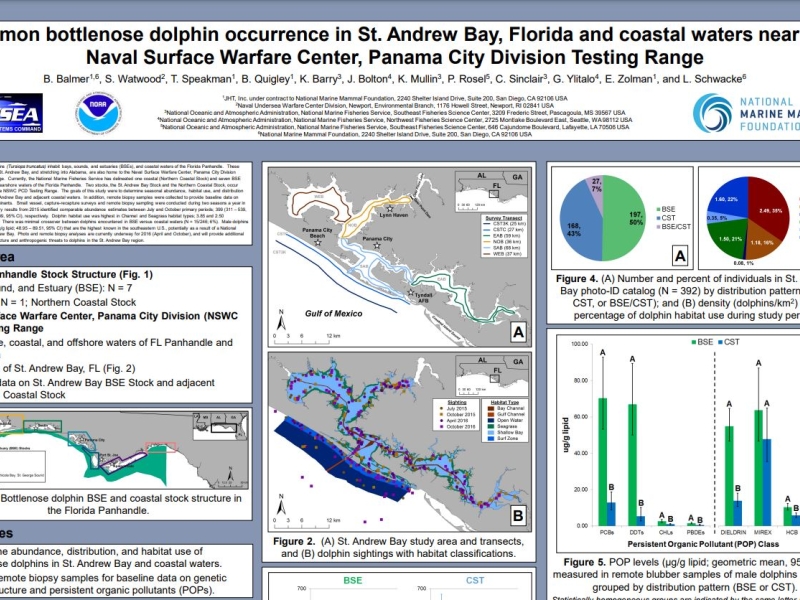
The goals of this study were to determine seasonal abundance, habitat use, and distribution patterns of dolphins in St. Andrew Bay and adjacent coastal waters.
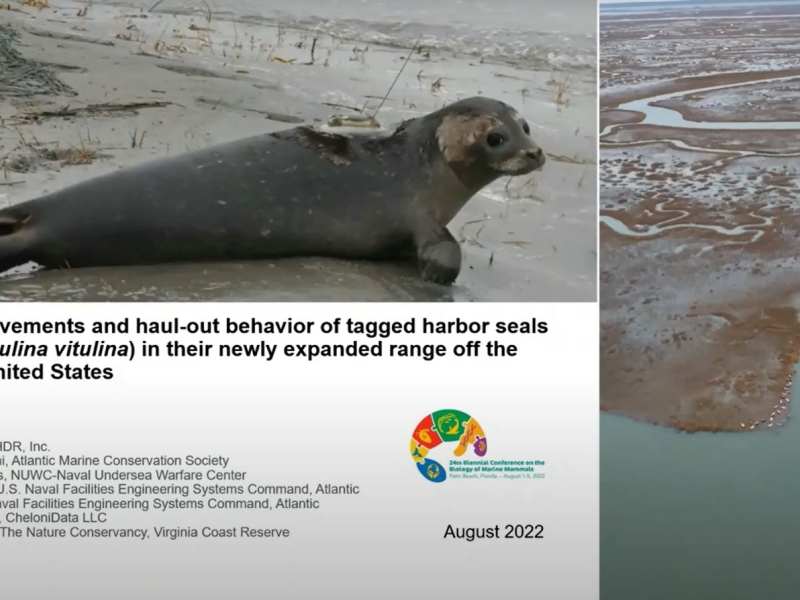
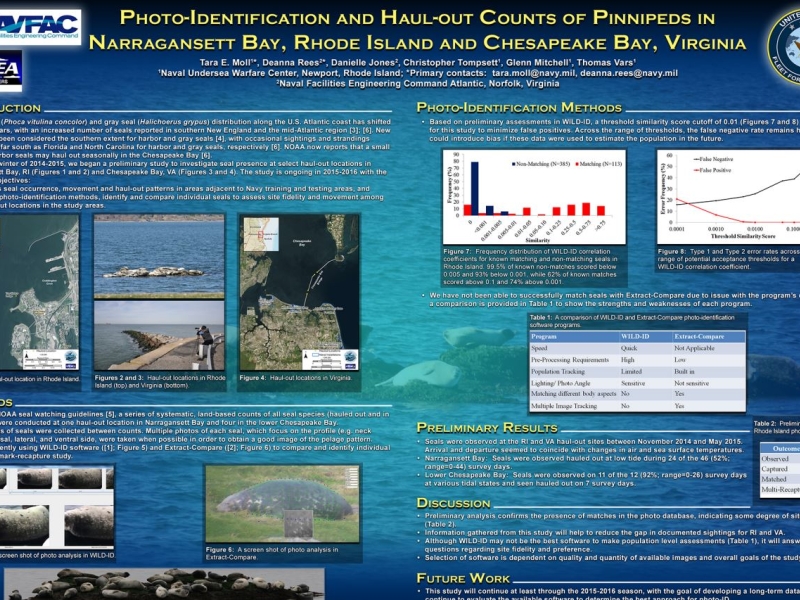
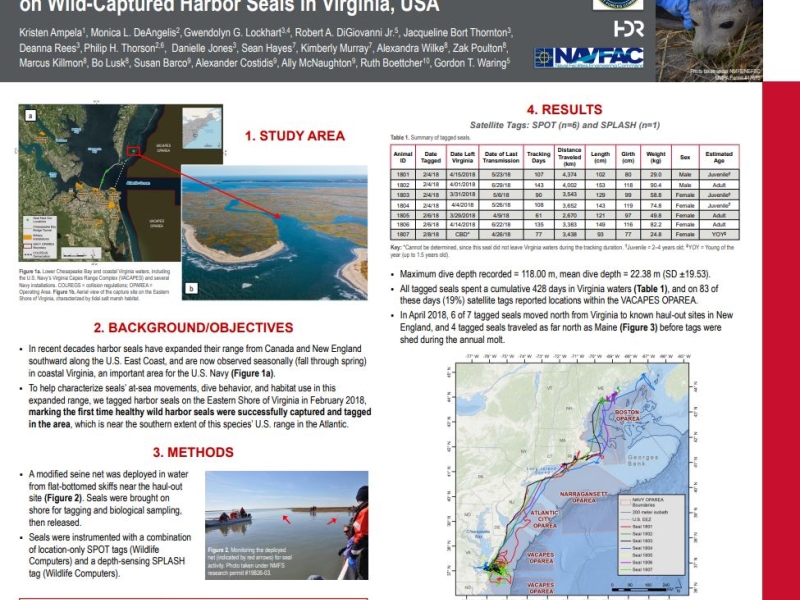
Harbor seal distribution along the United States (U.S.) Atlantic coast appears to be expanding. During the fall of 2014, we began an investigation of harbor seal presence in the lower Chesapeake Bay, VA (Figure 1). The study is ongoing
in 2017-2018…
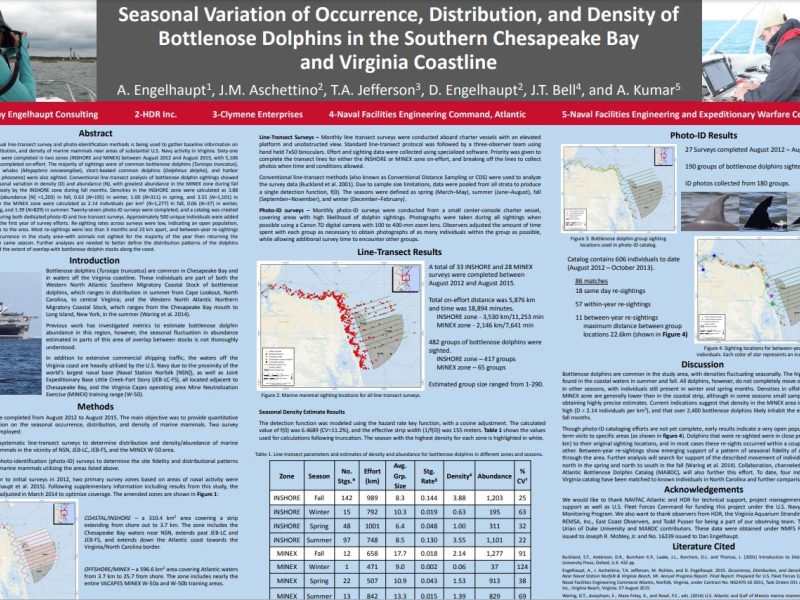
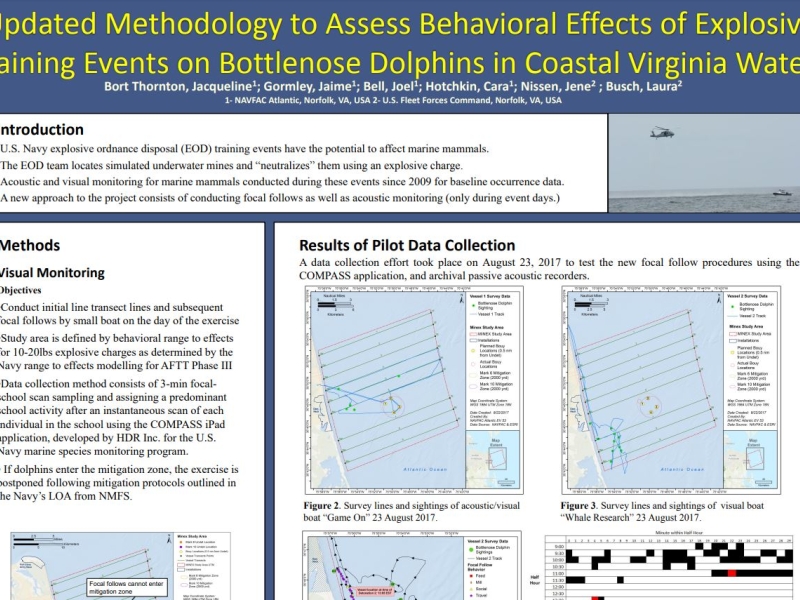
U.S. Navy explosive ordnance disposal (EOD) training events have the potential to affect marine mammals. The EOD team locates simulated underwater mines and “neutralizes” them using an explosive charge. Acoustic and visual monitoring for marine…